Eating the Paperwork: How AI Creates a Renaissance of Community Engagement
Every small organisation in Australia has been drowning in compliance, reporting, and grant acquittals. What AI now makes possible is the compression of that administrative layer, freeing 50% of capacity back to the relational work that actually changes lives. JusticeHub is the living proof point.
Something is shifting right now. You can feel it building.
The shift from administration to engagement
Let me start with what's actually true, before we dress it up in strategy language.
Every small organisation in Australia, every social enterprise, every Indigenous community org, every two-person team trying to do something meaningful, has been drowning in the same ocean: compliance, reporting, acquittals, stakeholder management, grant applications, data collection frameworks. The administration of impact has been consuming the capacity for impact itself.
And here's the cruel irony: the organisations closest to the ground, doing the most relational work, are the ones most burdened by administrative overhead. Because the funding models demand it. Because government accountability frameworks were designed for institutions, not for humans sitting in living rooms having the conversations that actually change lives.
What AI and automation now make possible is the compression of that administrative layer. Not its elimination, but its transformation from something that requires 60% of a small team's energy into something that requires 10%.
Which means the other 50% comes back.
And the question that matters more than any technology question is: what do we do with that reclaimed time and energy?
What smaller teams can actually do now
This is where innovation thinking meets social enterprise reality in Australia. Consider what a three-person team can now accomplish:
A community engagement worker in Mount Isa spends their week in relationship. Yarning, listening, being present. The AI handles the case notes, the data entry, the reporting frameworks, the grant acquittal drafts. Not perfectly, but well enough that the human only needs to review and refine rather than create from scratch.
A real example: Brodie Germaine in Mount Isa runs a fitness and mentoring program on Kalkadoon Country. His story, documented in Where Fire Meets Country, shows what happens when someone is freed to be fully present in community rather than buried in paperwork. "I'd rather Brodie here 'cause it's face to face," a young person says. That face-to-face presence is what gets lost when administration eats everything.
A social enterprise in regional Queensland builds a product. The founder focuses on community relationships and product vision. The machines handle the website, the inventory system, the compliance documentation, the financial modelling. What used to require a team of eight now requires a team of three, not because people were replaced, but because the work that was never the real work gets handled differently.
This isn't theoretical. This is what's possible right now, today, with tools that already exist.

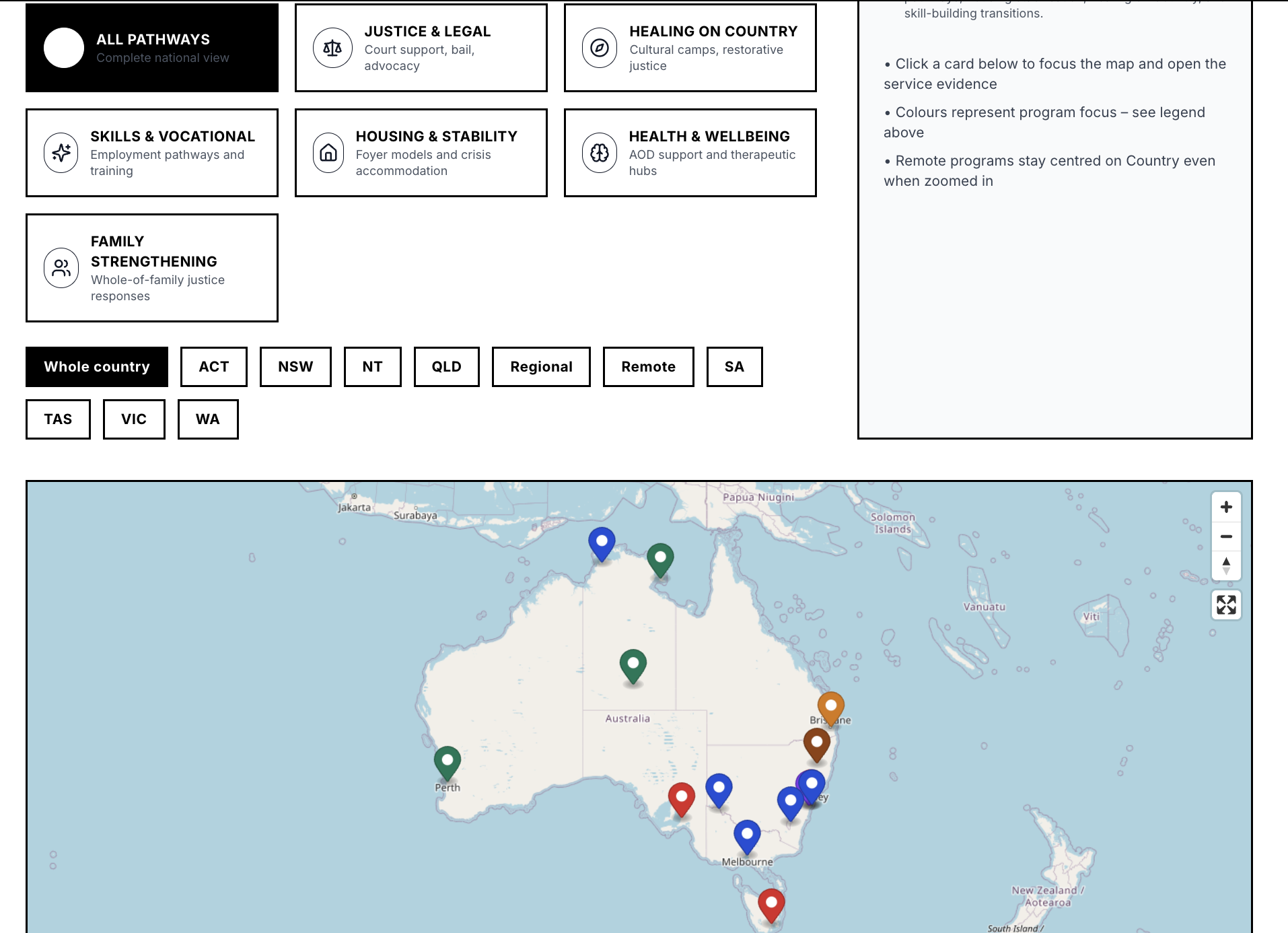
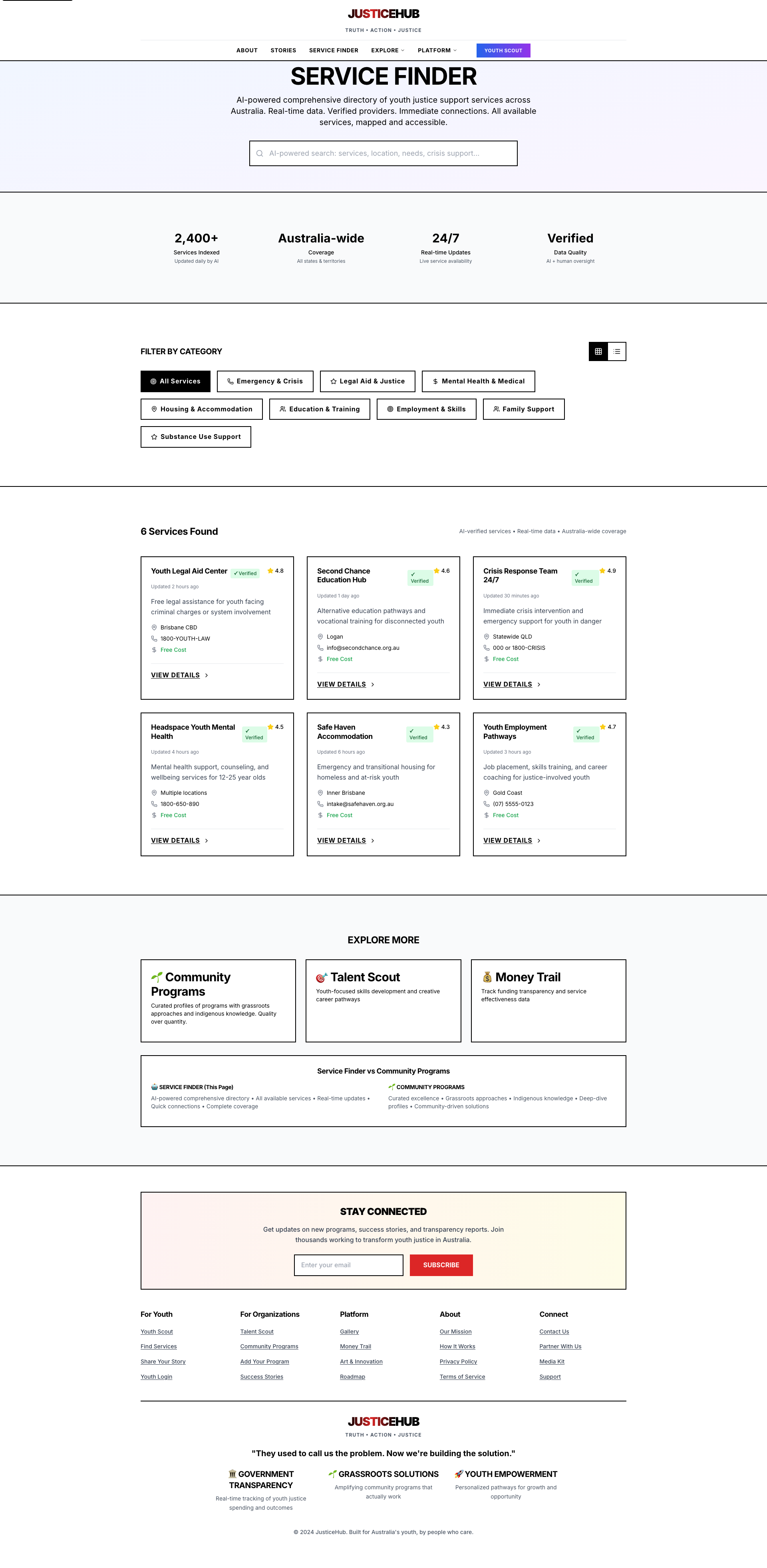
AI-powered matching connecting young people and families with 1,000+ verified support services...
The pressure point for government and larger organisations
Here's where the logic is airtight.
Government funds outcomes. Government measures compliance. These are not the same thing, and everyone in the system knows it. The gap between what gets measured and what actually matters has been the open wound of social policy in this country for decades.
What we can now demonstrate, with evidence, with working systems, with JusticeHub as a living proof point, is this:
If AI can handle the compliance layer, then the ratio of funding-to-engagement fundamentally changes. Every dollar that currently pays for a program coordinator to write reports can instead pay for that coordinator to be in community. Every hour spent on administrative accountability can be redirected to relational accountability, which is the kind that actually works.
The argument to government becomes: Your reporting frameworks were designed for a world where human labour was the only way to track, measure, and report. That world is ending. So either you redesign your accountability models to match the new reality, or you're actively choosing to fund administration over engagement. And we can now show you, precisely, what that choice costs in human terms.
That's not a philosophical argument. That's a procurement argument. And it's one that Treasury understands.

Increasing spending on detention despite evidence it is ineffective and expensive...
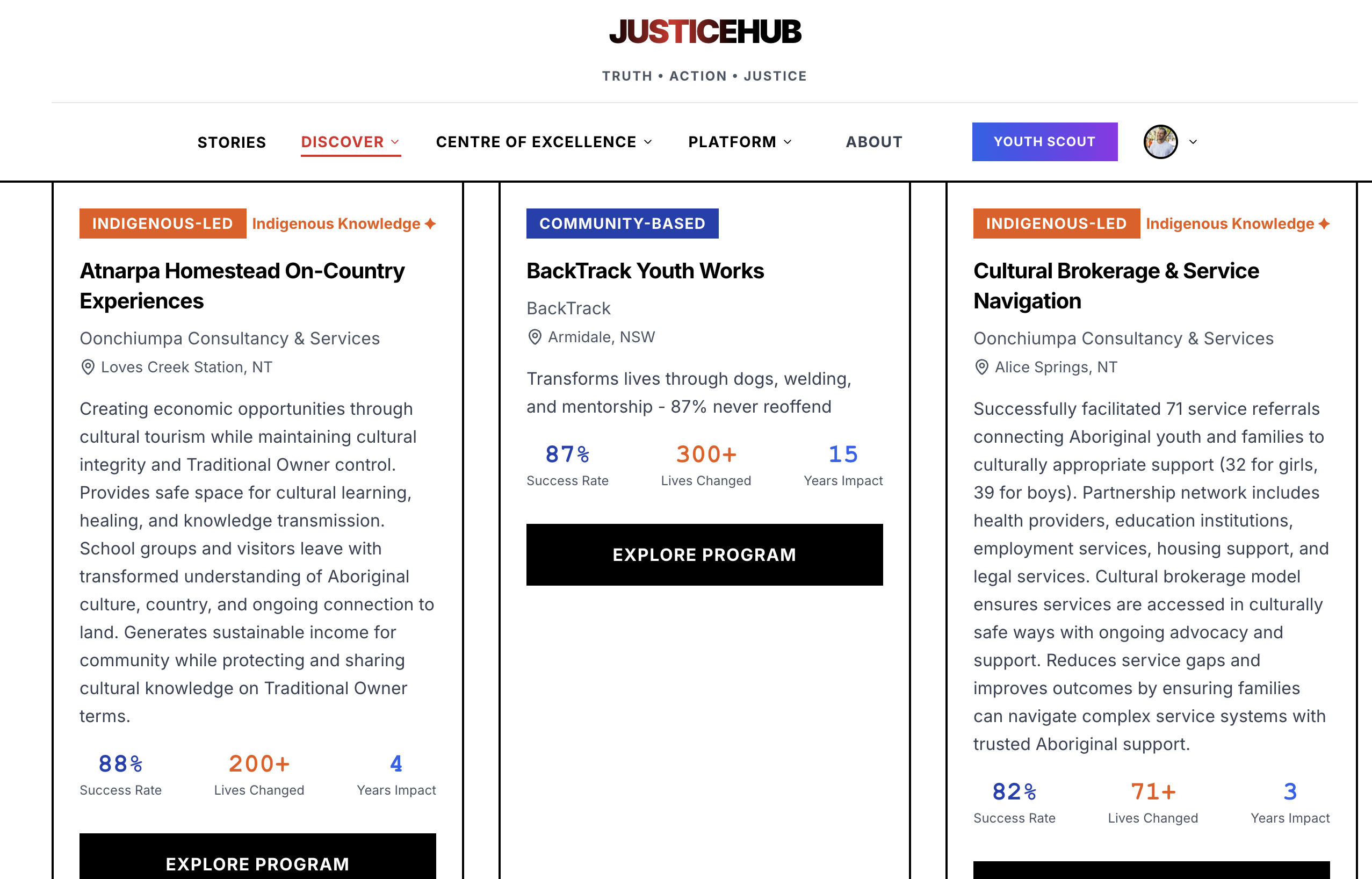
Interventions, peer-reviewed research, royal commissions, and international best practices...
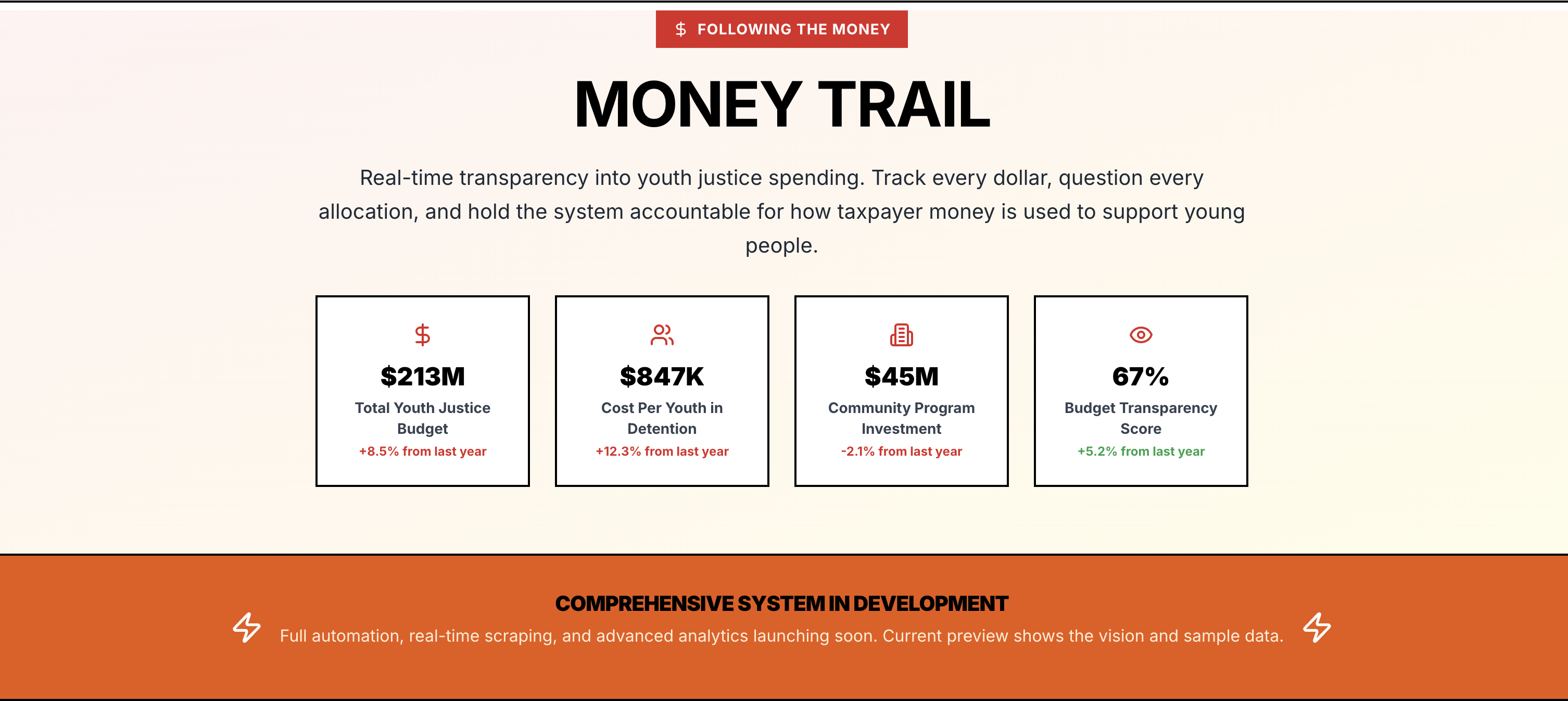
Track the money trail: how much goes to detention versus community programs...
Where art and exploration live in this
When you free people from the machinery of administration, what emerges isn't just "more engagement hours." What emerges is the space for the things that make communities actually resilient: art, story, culture, play, exploration, the slow and ungovernable work of meaning-making.
A young person in Townsville who's been through the justice system doesn't need another case plan. They need someone who has time to sit with them while they figure out who they are. They might need a camera in their hands, or a story to tell, or a song to write, or a conversation with an Elder that goes for three hours and covers everything and nothing.
That work has never fit inside a logic model. It has never survived a grant acquittal. And it is the most important work there is.
What this technology moment offers is the possibility of bringing relational and creative practice back into the communities that have been most starved of it. Not because AI is magical, but because AI can eat the paperwork that was eating the people.
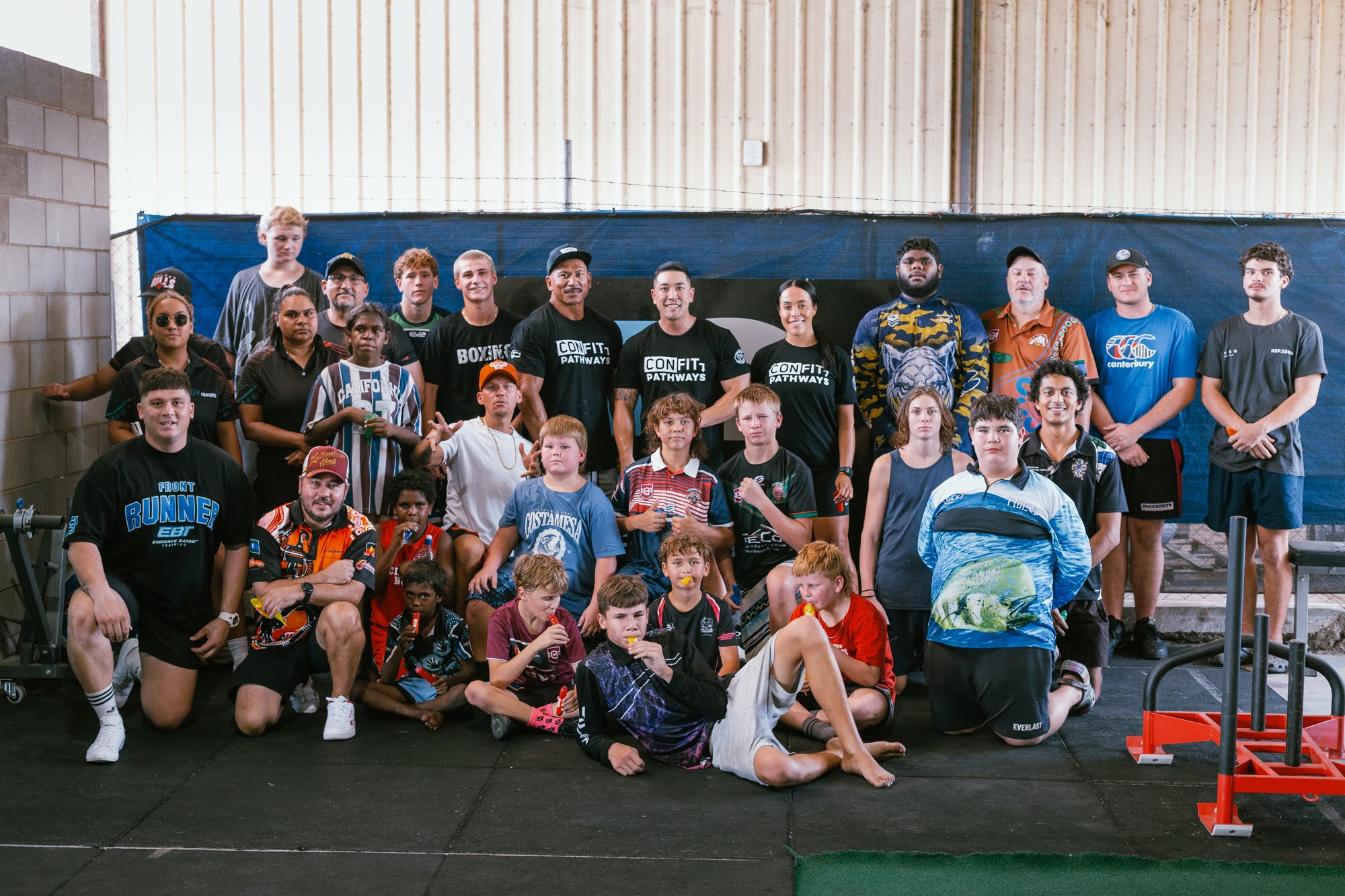
Stories from the frontlines of Indigenous youth empowerment in Queensland's Lower Gulf...
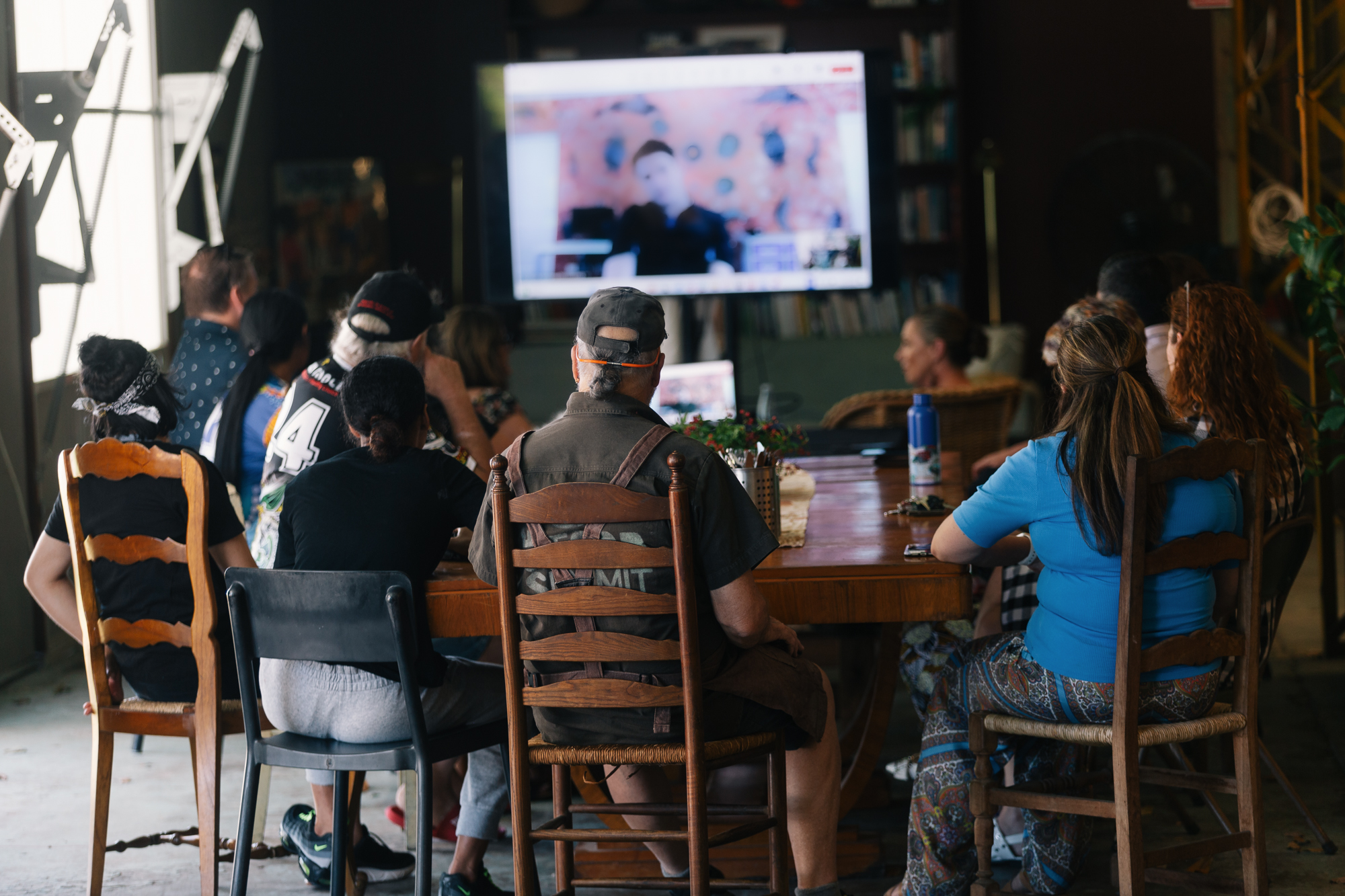
Breaking Bread, Breaking Chains
Two tables, one physical, one virtual, each telling a different story about power and possibility...

Where STEM and sports science converge to redefine futures of young people in detention...
The generational change piece
This connects to something larger than social enterprise strategy.
For three generations, we've been training people to be useful to systems. School teaches compliance. University teaches credentialism. Employment teaches productivity metrics. And the whole architecture assumes that human value is measured in output.
But if machines handle the output, if the code gets written, the reports get filed, the logistics get optimised, then what's left? What's the distinctly human contribution?
It's the things Indigenous cultures never stopped valuing: relationship to place, obligation to kin, transmission of knowledge through story, the capacity to hold complexity without reducing it to a spreadsheet.
It's the things that relieve anxiety and loneliness. Not through consumption or distraction, but through genuine belonging. Through being known. Through having a role in something that matters beyond your individual productivity.
And it's the things that have always driven real innovation. Not the Silicon Valley kind, but the kind that emerges when people with deep contextual knowledge and genuine curiosity are given the freedom to experiment without the constant pressure to justify their existence through KPIs.

Joe Kwon: From Shadows to Spotlight

A young man whose rap lyrics cut straight to the heart of identity and belonging in Alice Springs...
Matching young people based on dreams, not risk factors. Aspiration over compliance...
Living on the edge of it
The edge isn't where the technology is most advanced. The edge is where the technology meets the communities that have been most excluded from its benefits.
Better healthcare access for remote communities. Better supply chains for goods and services. Better education models that don't require people to leave Country to learn. Better justice responses that don't require locking children in concrete boxes.
These aren't utopian fantasies. They're engineering problems wrapped in relationship problems. And the technology is getting good enough to solve the engineering. Which means the relationship work, the human work, the community work, the cultural work, becomes the determining factor in whether any of it actually lands.
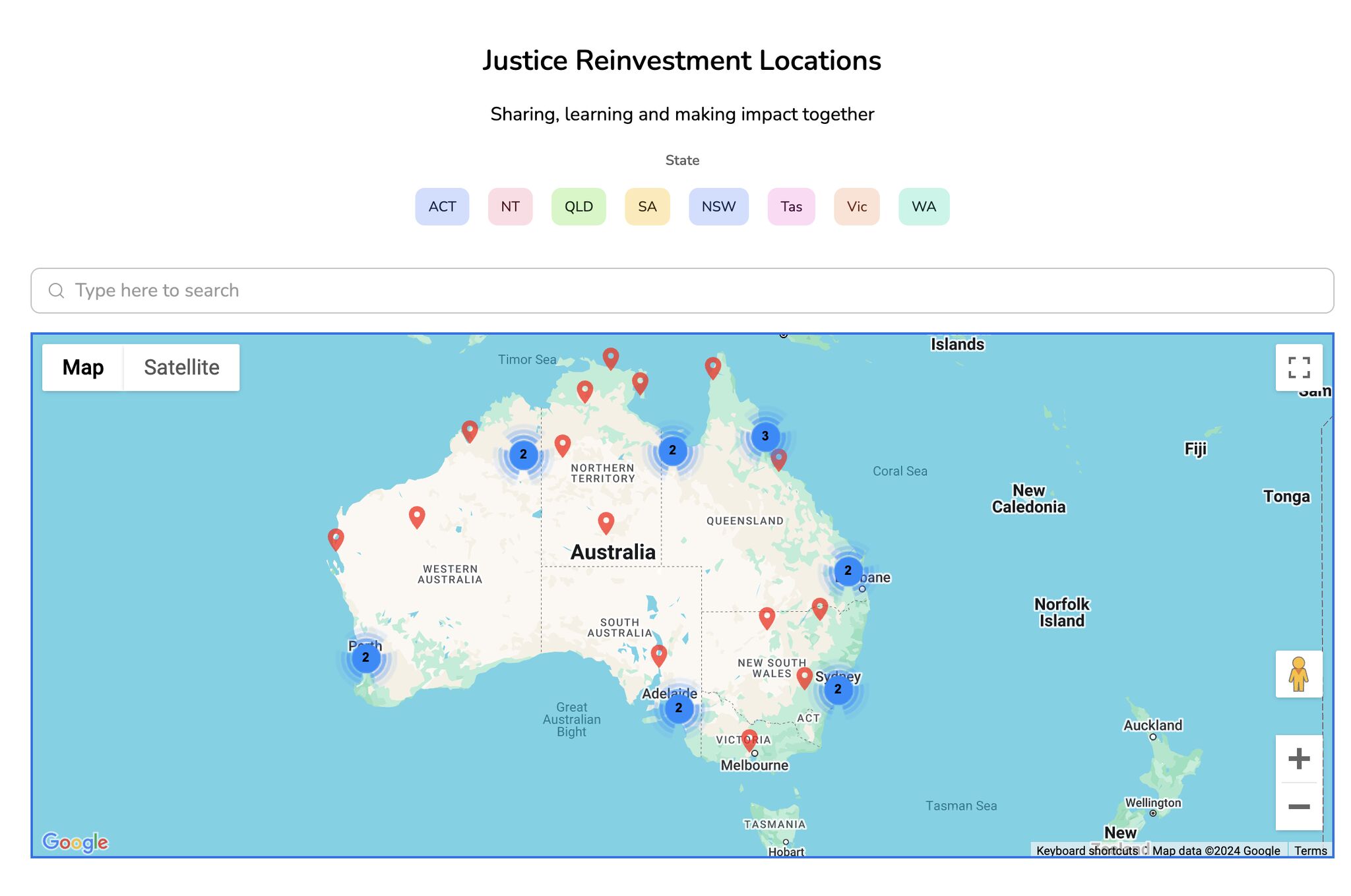
A nationwide network amplifying 26 communities leading justice reinvestment initiatives...

Culturally-led pathways for young people connecting identity and purpose in Central Australia...

Bridging legal systems and cultural knowledge in Mparntwe...
The fight ahead
The class model that forces marginalised groups to live at the edge of their means doesn't survive contact with abundant production capacity. Not automatically. Power doesn't redistribute itself. But the argument for hoarding access collapses when the cost of access approaches zero. And that collapse creates a window.
The question is whether we use that window to build something genuinely different, or whether we let the same institutions that created the scarcity redesign themselves as the gatekeepers of abundance.
That's the fight. And it's a fight that requires exactly the skills no technology can replicate: trust, presence, cultural knowledge, and the willingness to sit with communities long enough to understand what they actually want. Not what we think they should want.
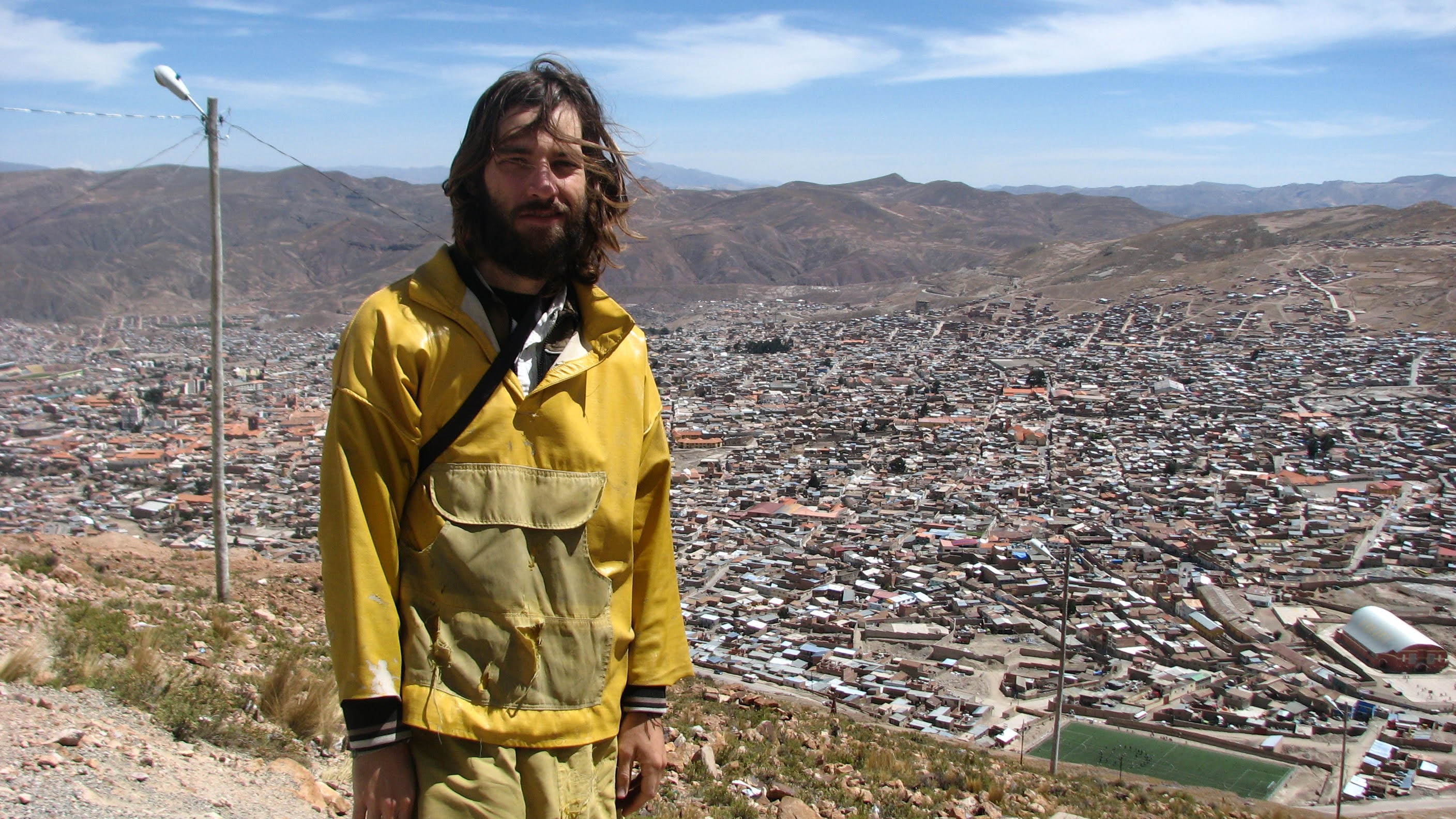
I didn't set out to build a platform like JusticeHub. I set out to listen....
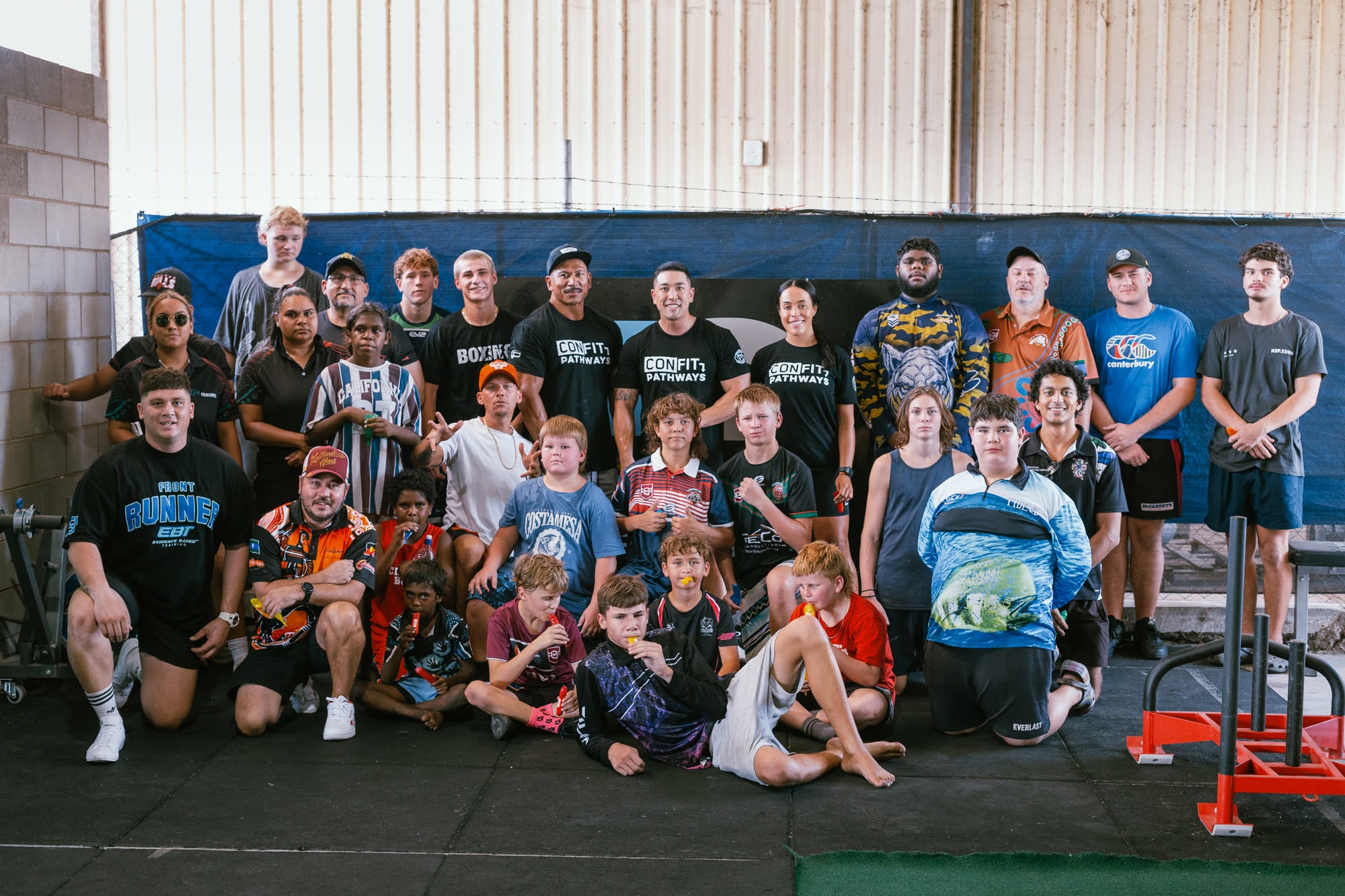
The future of youth justice lies in empowering communities to develop their own solutions...
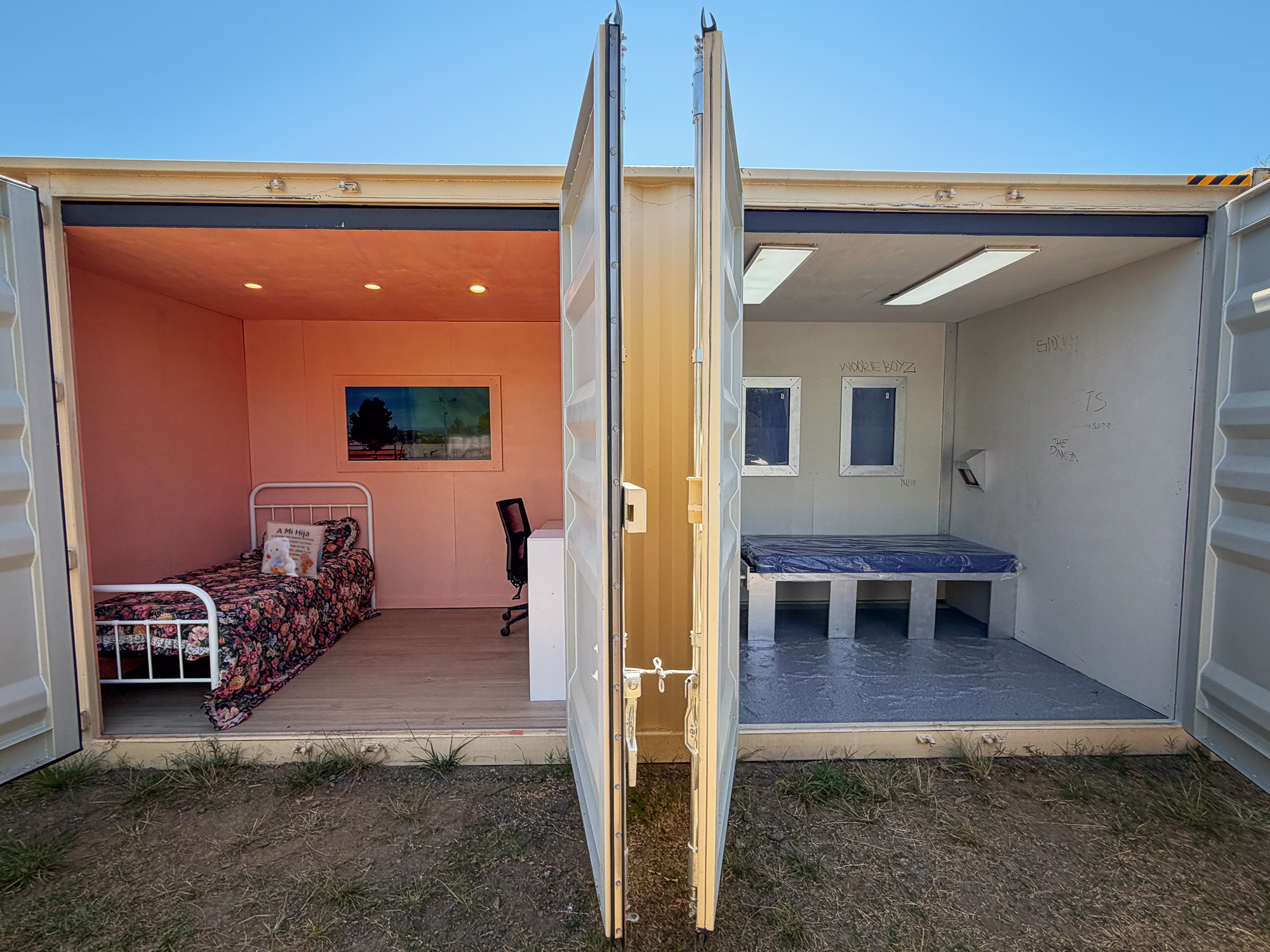
Not another awareness campaign. An immersive experience that makes the invisible visible...
JusticeHub is an open platform for youth justice advocacy and community intelligence. Explore the Community Map | Read the Stories | Ask ALMA | Join the Network | Become a Steward