Walking Toward Justice: A Personal Journey
I didn’t set out to build a platform like JusticeHub. I set out to listen.
I didn’t set out to build a platform like JusticeHub. I set out to listen.
I grew up in Muswellbrook, where community was something you felt before you could define it. My work since across youth support, photography, and community-led justice has been a long apprenticeship in empathy, innovation, and resilience. They’re habits I learned by standing close to people’s lives and letting their stories teach me what change actually takes.
Discovery
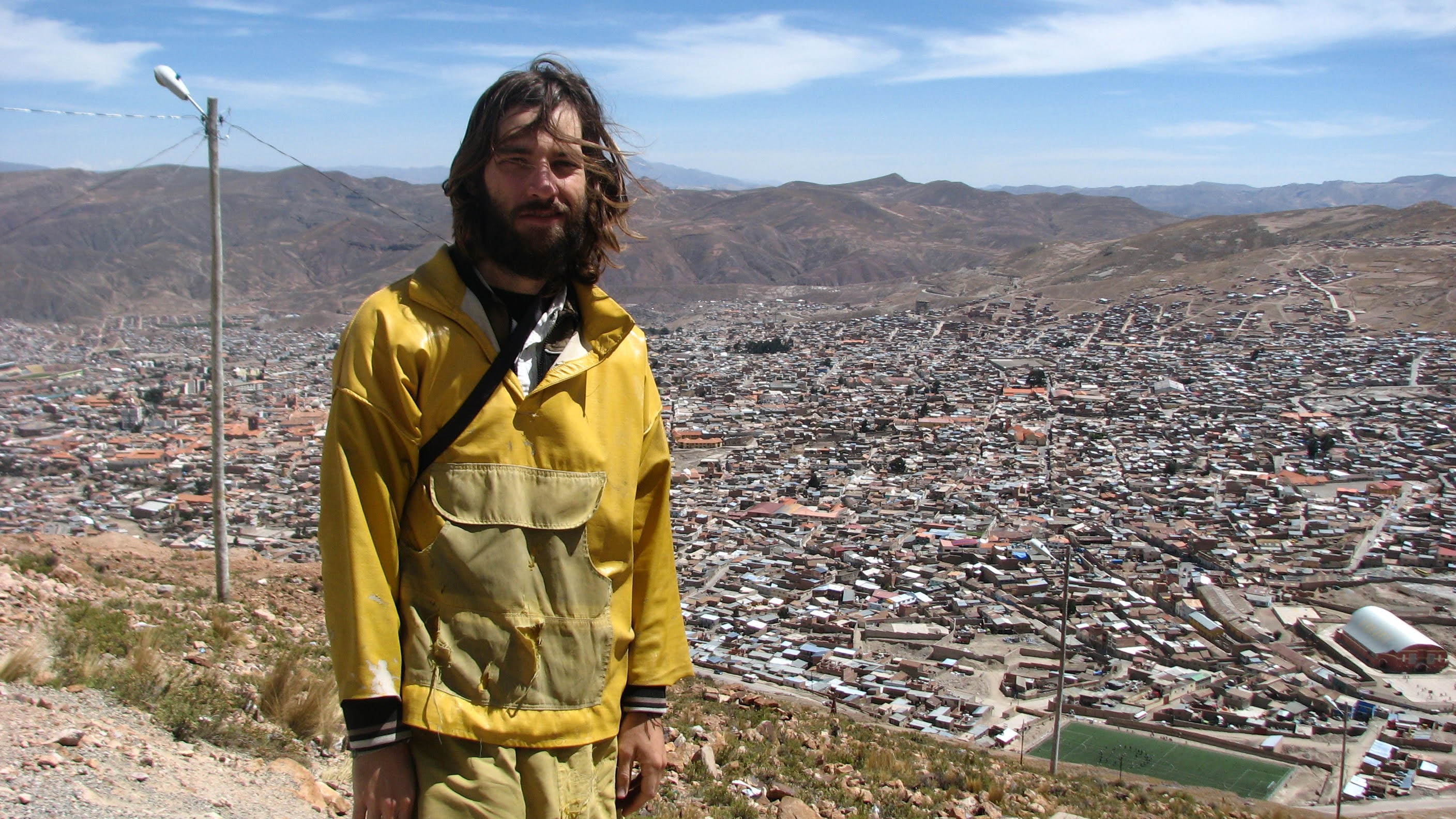
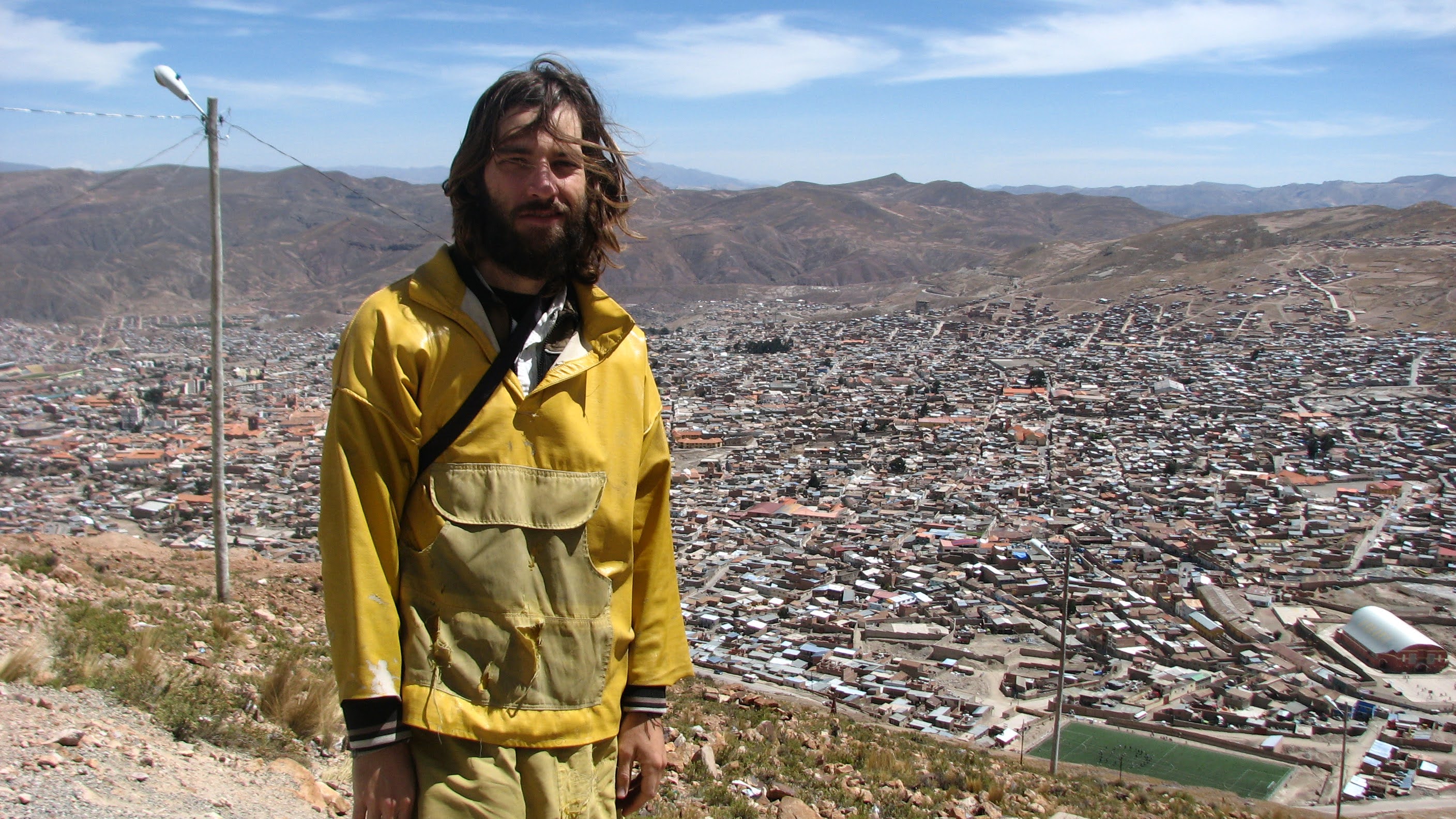
While travelling in South America, I found myself inside a prison in Bolivia, listening to men talk softly about hope. That encounter didn’t flatter me with the feeling of helping; it humbled me with the responsibility to keep learning. To keep asking better questions. To pay attention.
 Later, my camera became a passport into other classrooms: three years with Orange Sky sitting with people experiencing homelessness across Australia and New Zealand, learning to make pictures that listen before they speak. Those years taught me a discipline I carry into justice work today: earn trust slowly; don’t take stories - receive them.
Ground truthing in Mount Isa
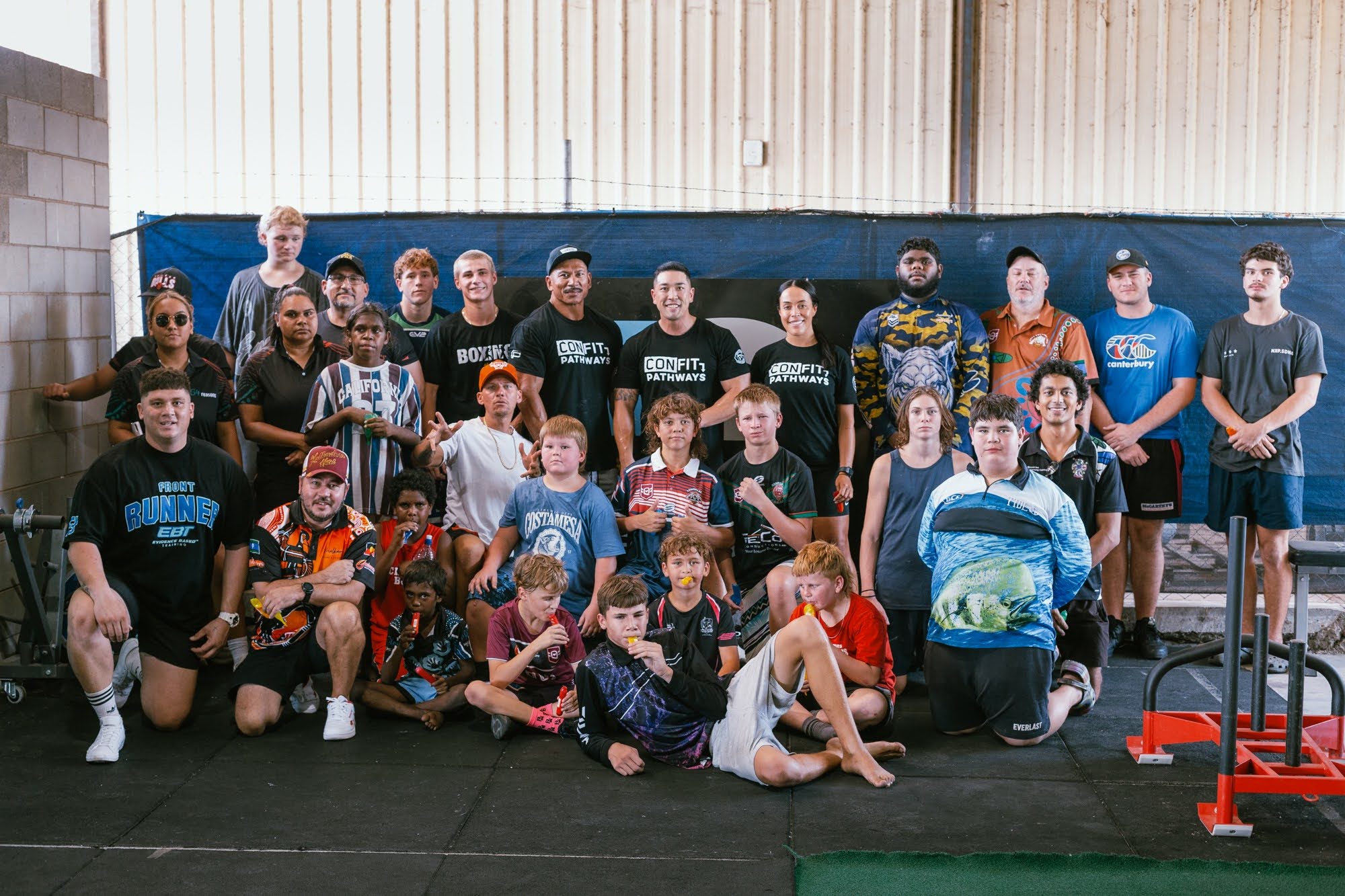
Mount Isa made the case for JusticeHub more than any policy brief ever could. During NAIDOC week there, I walked alongside families, Elders and young people who keep showing up for each other despite everything. I met people like Brodie Germaine, whose own story arcs from trouble into service. Watching him move through town, you see a web of relationships, a gym that holds young fellas accountable with care, camping trips that turn officers into human beings again, aunties and uncles turning presence into prevention. What Brodie and others have, culturally and relationally, is already enough to change trajectories; what they need is the scaffolding - resources, connections, and the boring-but-vital admin capacity - to match their reach with their impact.
This is the heart of my conviction: the answers live in community already. Our job is not to arrive as saviours but to remove friction, fund the intelligence that’s there, and help it circulate. Justice grows where stories, relationships, and practical support braid together.
Elders and governance
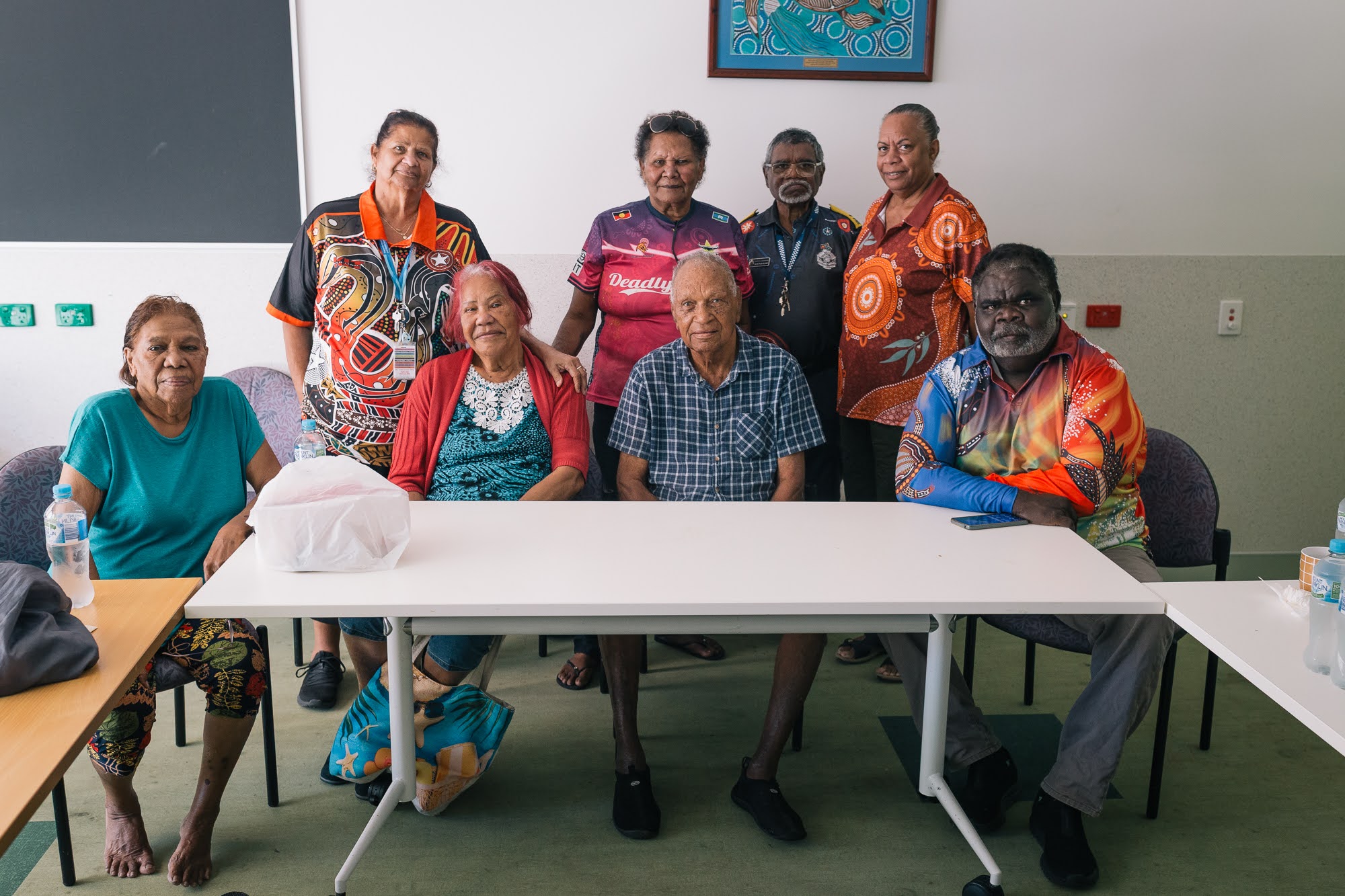
On Minjerribah/North Stradbroke Island, the Minjerribah Moorgumpin Elders-in-Council modelled another kind of strength, governance that holds culture at the centre, not the edge. Their work in teaching, guiding, and stewarding Country shows what happens when authority is rooted in story, kinship, and place. When Elders lead, young people feel the ground under their feet.
Community control, at scale
On Palm Island, PICC demonstrates what community control looks like when it grows into institutions. PICC’s transition to a community-controlled company moved the centre of gravity and kept jobs local. Today its workforce is 200+ strong, spanning health, family services, and more, evidence that when you invest in capacity where people live, the system gets smarter and trust deepens.
Learning from elsewhere
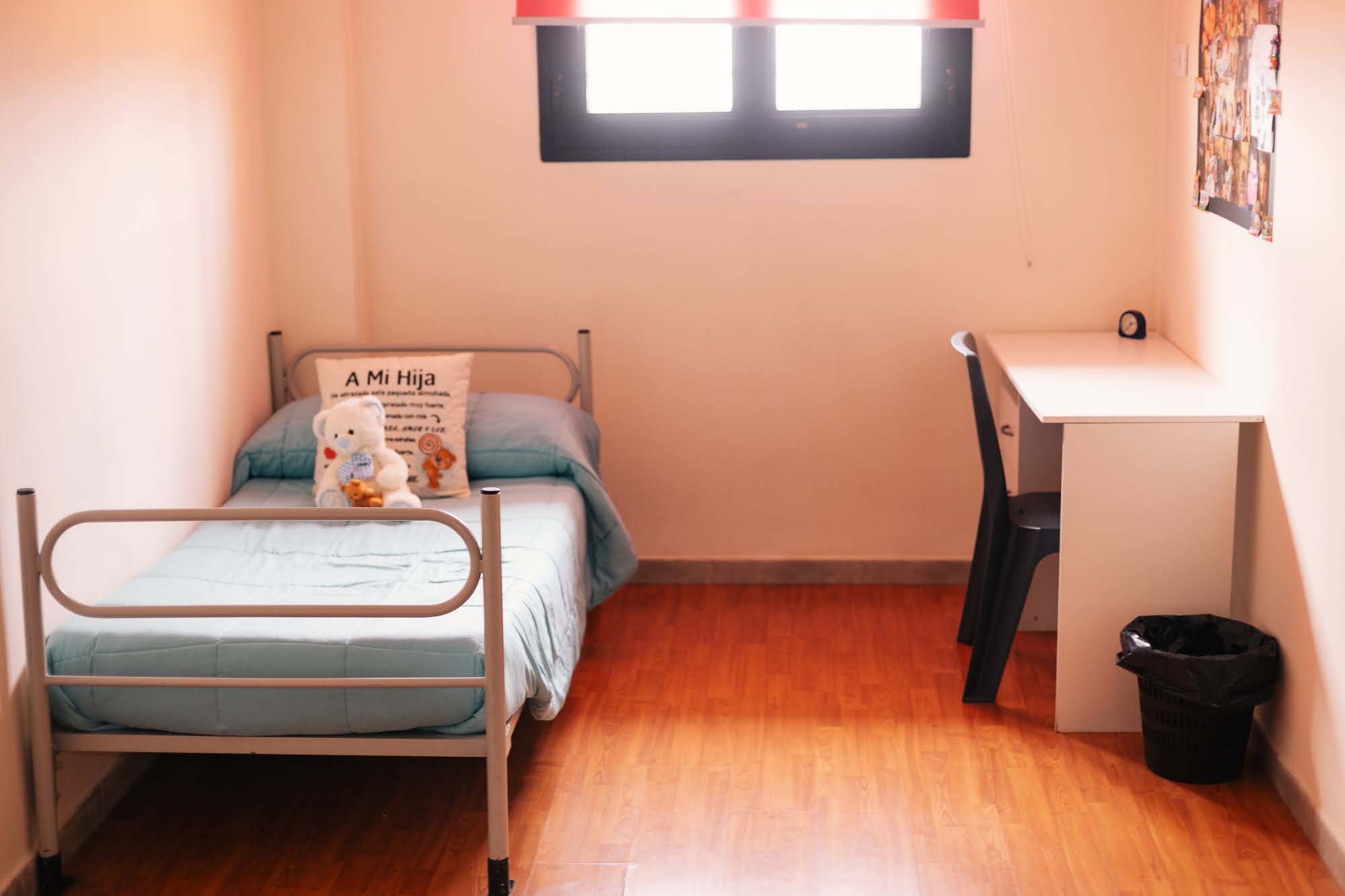
JusticeHub is also about bringing the best of the world home. In Spain, the Diagrama approach to youth justice replaces custody-first reflexes with education, therapy, and relationships. Staff mentor rather than guard. Young people earn autonomy and leave with skills and pathways. Reported recidivism in these centres sits dramatically lower than punitive models, and the dollars follow the outcomes. I visited to learn what parts of that ecosystem might translate here and what must be adapted by, with, and for First Nations communities.
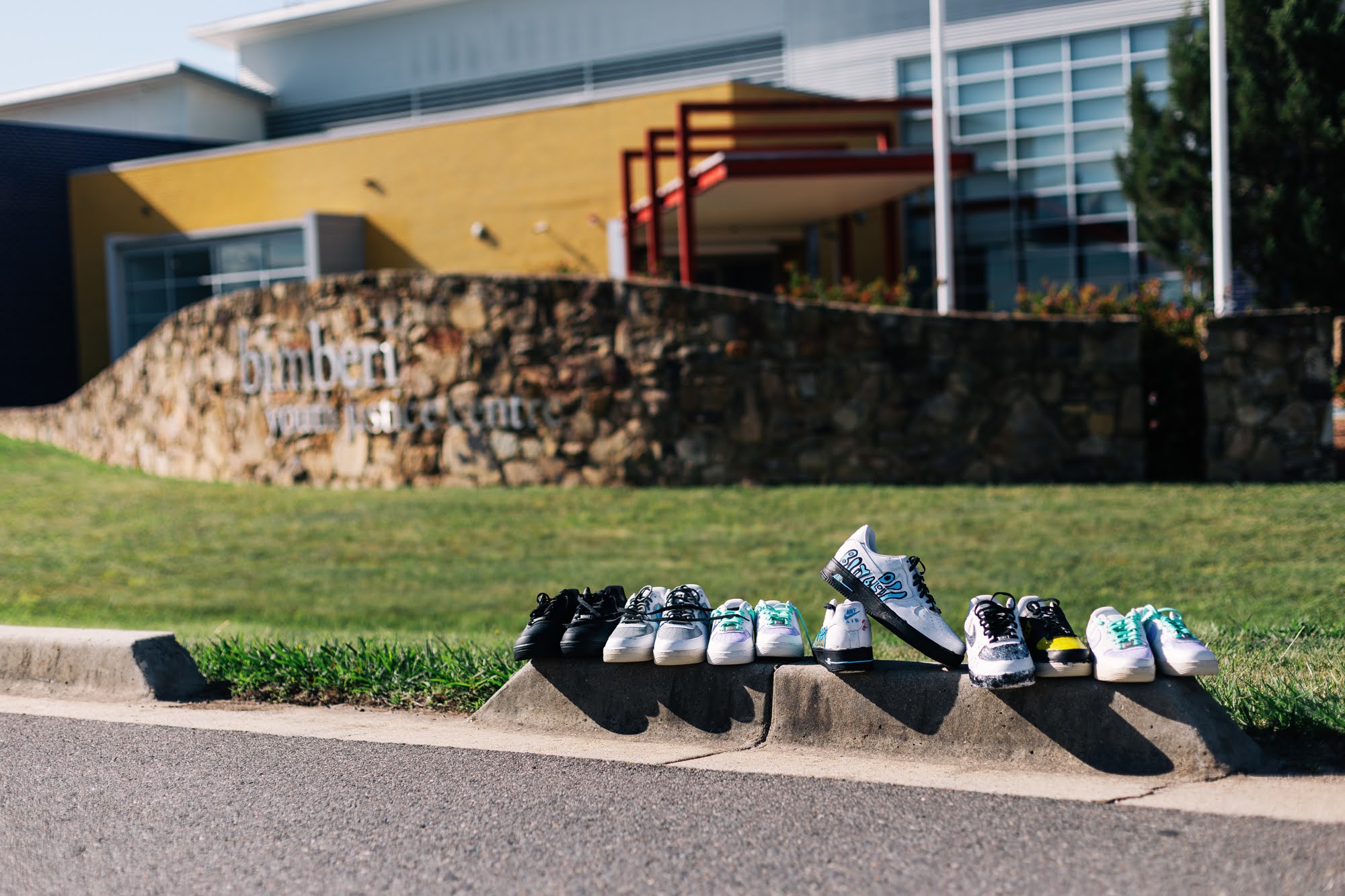
Closer to home, in the ACT, we’re putting the same principles into practice with projects like ReSOLEution at Bimberi—turning sneaker pride into creative agency, pairing lived-experience mentors with hands-on making, and linking effort to real-world opportunity through partners who value young people’s work. The point is dignity. It’s letting young people experience themselves as creators.
Why JusticeHub (and why me)
JusticeHub sits at the intersection of everything I’ve learned: that stories move resources; that community wisdom gets lost without lightweight infrastructure; that innovation is social before it’s technical; that change sticks when it’s owned locally. Through JusticeHub, I’ve been documenting and sharing what works from Mount Isa to Mparntwe, from Elders’ governance to grassroots programs so we can connect dots and reduce duplication. We publish field notes, position pieces, and comparative analyses; we map services, lift up practitioners, and prototype small, testable ideas that communities can adapt. And we do it with a camera, a notebook, and a bias toward relationship.
I keep photographing, writing and filming because evidence travels fastest as a human story. Funders and policymakers change their minds when they can see and feel what a young person experiences when they hear an Elder explain governance on Country; when they sit with data that’s lit by lived experience; when they meet a mentor like Brodie and understand why “presence over surveillance” works.
What I believe
The solutions to youth justice are community from community.
Our role is to resource without prescribing, to pay for intelligence that already exists and help it flow.
The work isn’t to build new monuments; it’s to unblock the paths communities are already walking.
When we balance cultural authority with practical, patient support, the “next generation helping the next” becomes a system, not a miracle.
That’s why I’m committed to JusticeHub in Australia: to keep discovering, keep showing the work, and keep standing beside the people doing the real labour of safety and belonging. The magic won’t arrive from outside. It’s already here on red-dust streets, in yarning circles, in gyms and dance troupes and on-Country classrooms waiting for us to back it properly and share it widely.