The Cure Already Exists
We spend $1.3 million a year per child to lock them in a room with no window. The recidivism rate is 85 percent. But in communities across Australia, the alternatives are already working. This is what they look like.
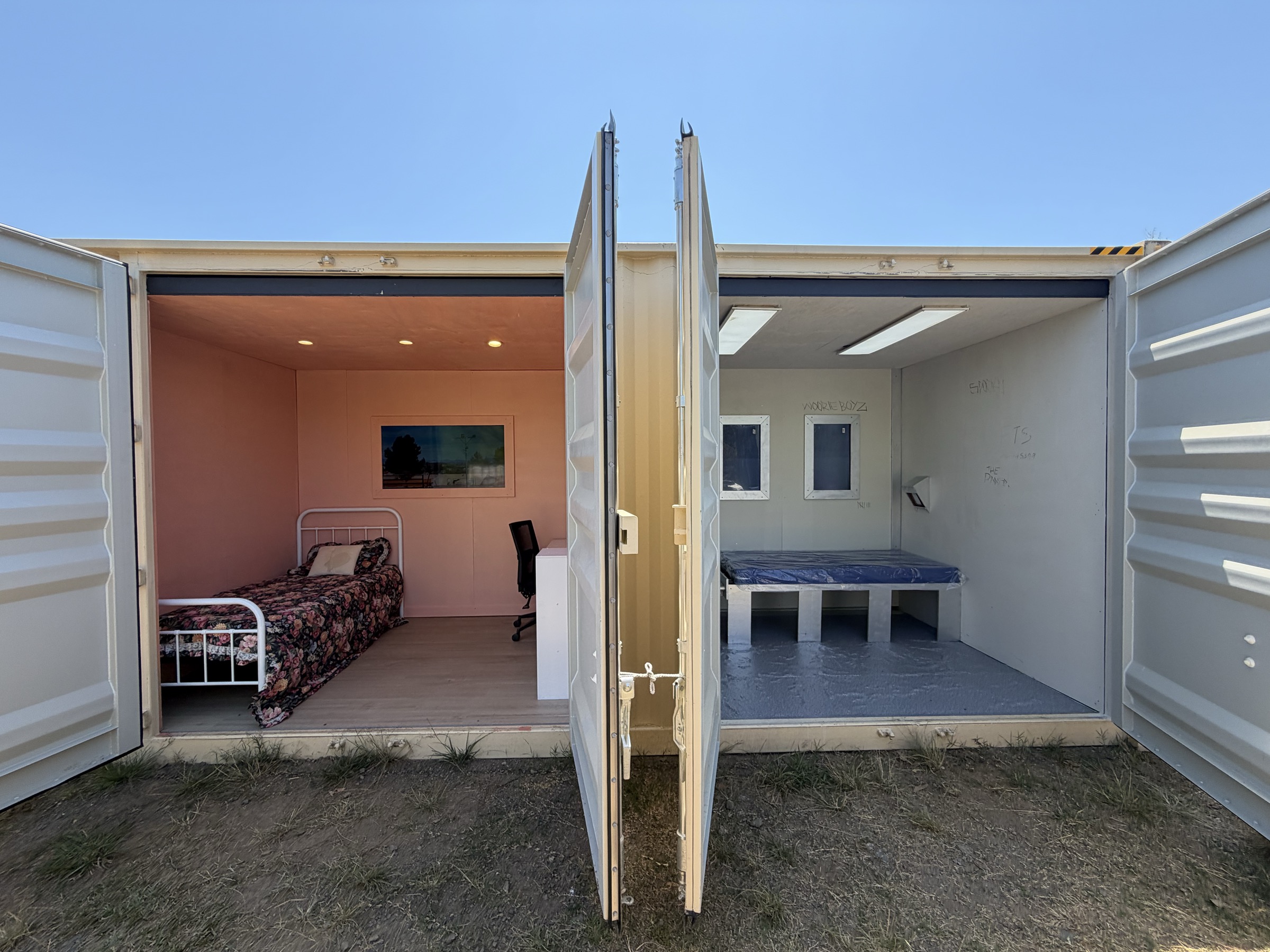
Inside CONTAINED: the room that changes how you see the system
There is a room I want you to sit in.
It is small. The light is fluorescent. The walls close in the way they do in places designed to hold people, not help them. There is no window. You can hear someone crying through the wall, but you cannot reach them.
This is what a child sees when Australia decides they need to be taught a lesson.
We spend $1.3 million a year per child to put them in that room. In Victoria, it is $2.6 million. Across the country, it adds up to more than a billion dollars a year. And 85 percent of the kids who come out go straight back in.
That is the system. Expensive. Broken. And it falls, with devastating precision, on First Nations children who are 21 times more likely to end up inside than their non-Indigenous classmates.
Everyone who works in this space knows it. Every inquiry has said it. Every report confirms it. The question is not whether the approach is broken. The question is what you do about it. Right now. Today. With your hands and your time and your attention.
The Container
We are launching something called CONTAINED. A shipping container. One container, three rooms, thirty minutes.
The first room shows you what the current system does to a child. Not in theory. Physically. You sit in it.
A young man named Isaiah helped us build the first version of that room. He has been through the system. He knows what the steel benches feel like, because timber could become a weapon. He knows what the mesh windows look like, because glass could become a weapon. He knows the fluorescent light, the bolted furniture, the institutional logic that strips everything portable because hope gets dangerous when it is portable.
Isaiah sat with us while people walked through. He watched their faces. He said: "I was just watching your face and you're like, 'What the f---?'"
That recognition is the point. Not sympathy. Recognition. The first room does not explain detention. It makes you sit in it.
At every tour stop, young people from the local community will design this room. They are the experts. They know what it feels like. They decide what the public needs to see. Isaiah now works at Interlace Advisory. He went from surviving the system to redesigning it. That is not an inspirational footnote.
That is the whole argument.
The second room shows you what works instead.
Last year I visited the Diagrama Foundation in Spain.
They run youth detention centres.
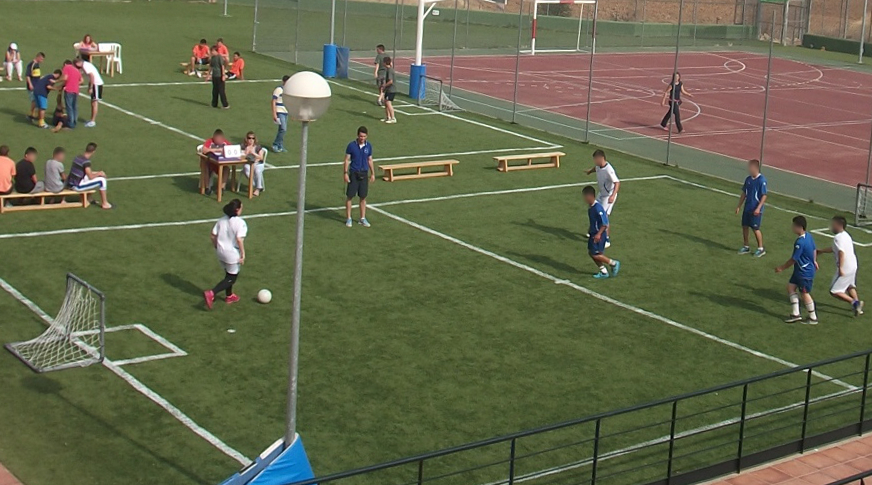
Except they do not call them that, and once you are inside you understand why. Curtains on the windows, not metal grates. Wooden floors. Natural light. Gardens tended by the young people themselves. The staff are called "social educators", not guards. They stay for years, sometimes decades. A woman named Carmen has been there for fifteen years. She knows every young person by name, by story, by the thing that keeps them up at night.
Jesus Teruel, the "Territorial Director", told me something I have thought about every day since: "We aren't jailers. We're not just enforcing a sentence to pass the months until they leave. We're here to work with them, to transmit values, to show them there's a different way."
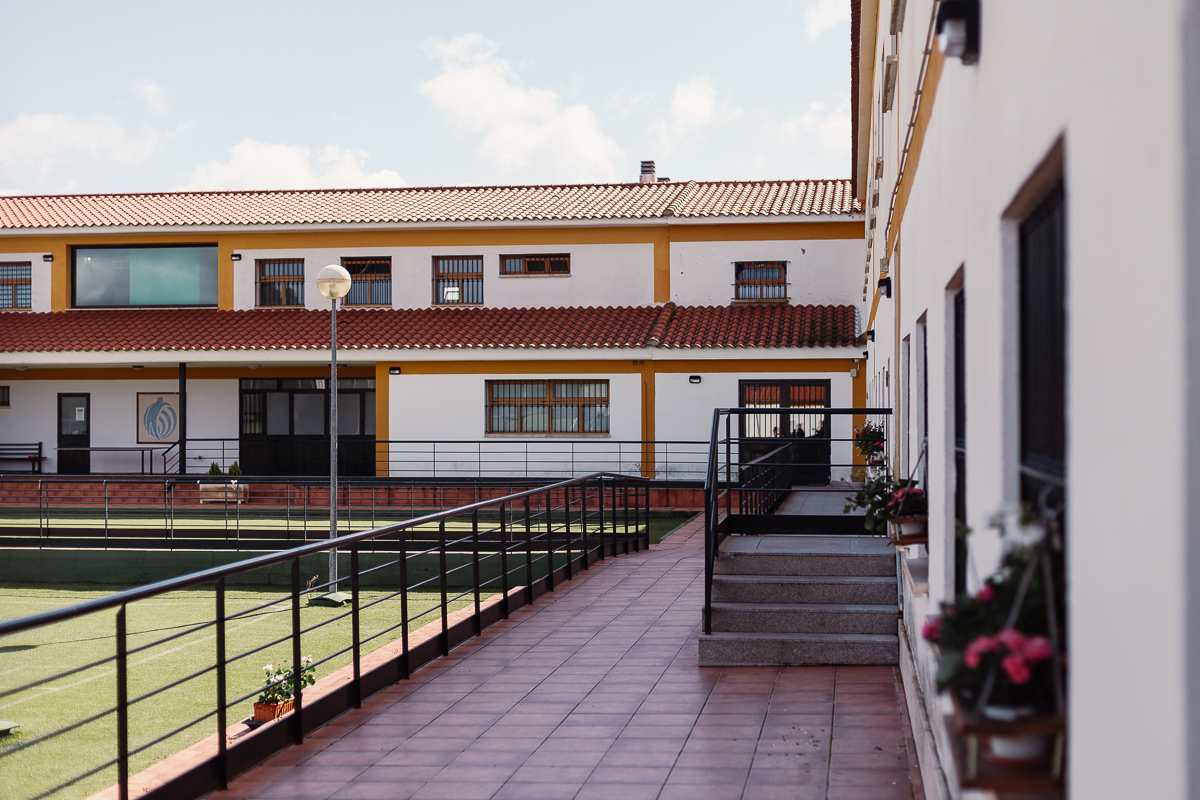
Their recidivism rate is 13.6 percent. Australia's is above 80. Their cost per young person is around $31,000 a year. Ours is $1.3 million. For every euro they invest, the University of Valencia found a return of 5.64 euros in avoided social cost.
The difference is not money or magic. It is philosophy. Jesus put it plainly: "Think of good parenting. A good parent maintains clear boundaries while providing unconditional worth. They balance accountability with support, consequences with care. This is our model."
I watched a young woman who had absconded return to the centre. A staff member met her at the door. Gave her a warm embrace. Said, "Why did you do that? Don't do that again." That was it. No isolation. No punishment escalation. Just connection. I watched young women proudly showing me their bedrooms. Teddy bears, family photos, embroidered pillows. These are children in the justice system.
They looked like children.
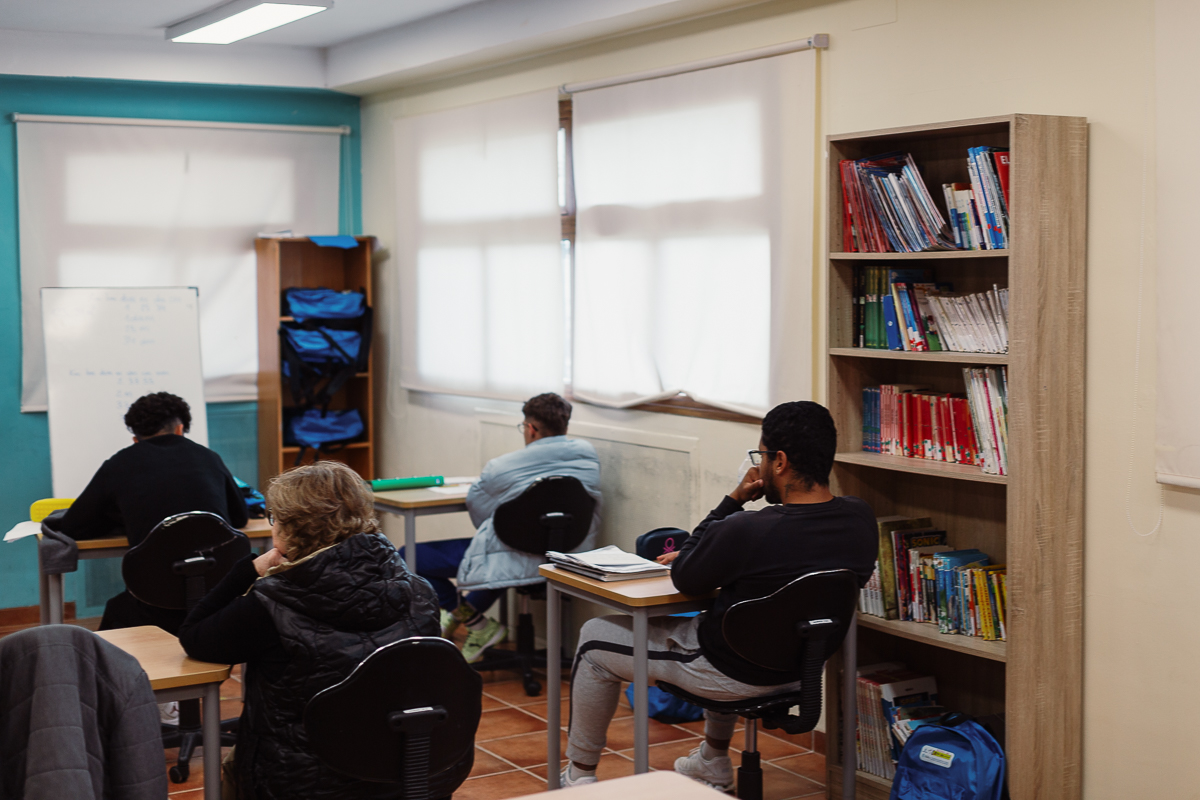
That is what the second room of CONTAINED shows you. Not a fantasy. A place that exists right now, that has been running since 1991, that proves this works.
Then you step into the third room. And the third room changes at every stop.
Because the third room belongs to the community hosting the container. It is filled by the local organisations already doing the work. Not the ones you read about in government reports. The ones running on volunteer hours and grant cycles and midnight phone calls. Indigenous-led programs, community groups, youth workers who have been at it for years without recognition or proper funding.
At each stop they fill this room with their story, their people, their proof.
You walk through all three rooms in thirty minutes. Then you step out. And we ask you one question: Who else needs to experience this?
The container will tour Australia. It launches on April 20. We are heading to the places where the gap between what we spend and what works is widest. We are bringing the evidence with us.
And the organisations filling that third room? They are already extraordinary. Let me tell you about some of them.
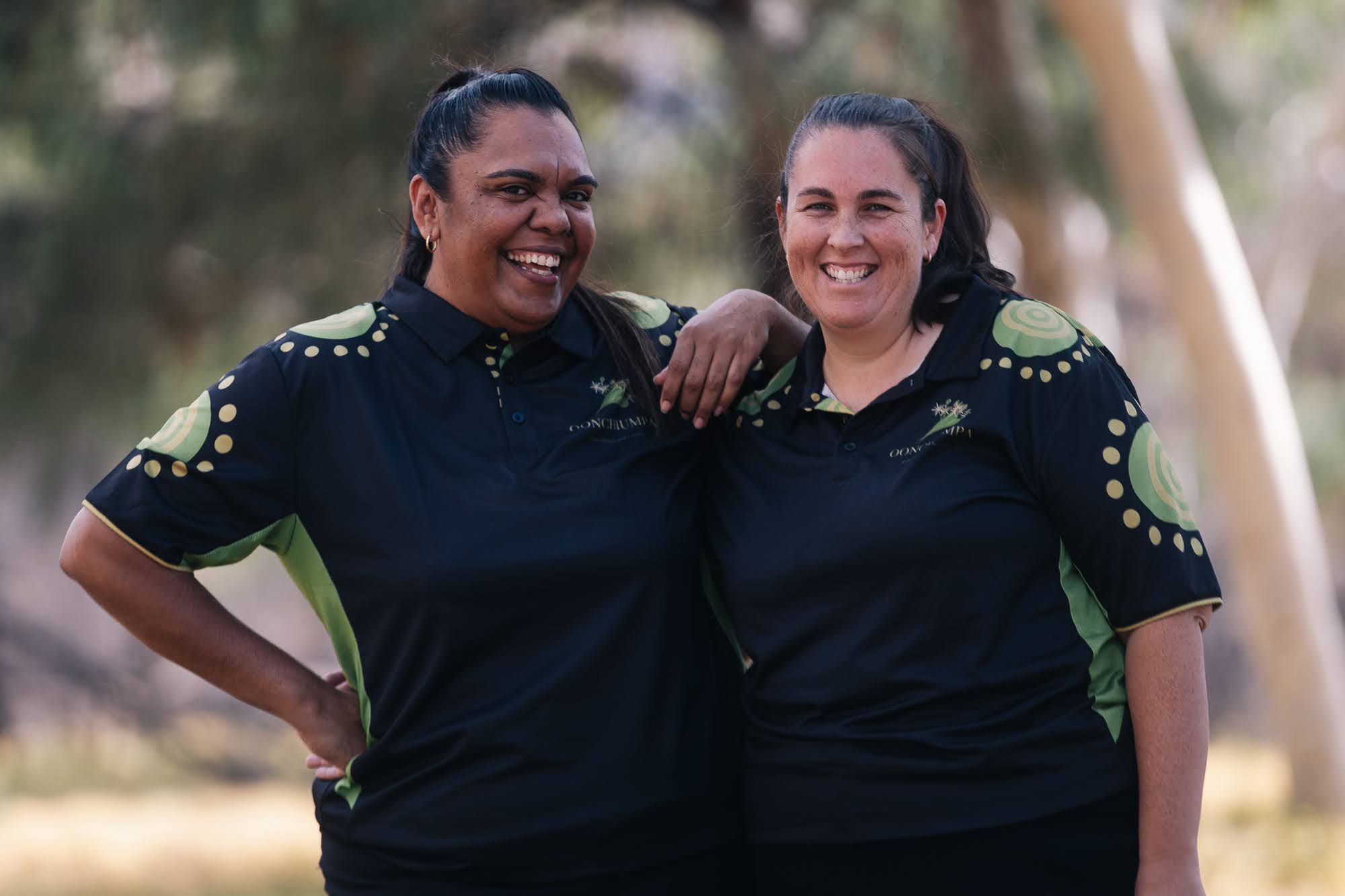
Oonchiumpa, in Alice Springs, is 100 percent Aboriginal-led. Founded by Kristy Bloomfield and Tanya Turner. Kristy is a Central Arrernte, Eastern Arrernte and Alyawarra woman, a Traditional Owner of Mparntwe, who saw what everyone saw, young Aboriginal people filling the justice system, and decided to do something different. Tanya is an Eastern Arrernte woman who graduated from UWA law school, worked as an Associate at the Supreme Court of Victoria, and came home to bring that legal expertise alongside community wisdom. Together they built something that is not another program designed by outsiders with good intentions. It is leadership rooted in cultural authority, family connection, and the deep understanding that these are their kids, their Country, their responsibility.
The results are not ambiguous. 95 percent diversion success. 97.6 percent cheaper than detention. When NT Police ran Operation Luna, a targeted list of 21 high-risk young people, Oonchiumpa worked with them. By December, only one remained on that list.
Kristy says something that stays with me: "These aren't 'bad kids', they're children without basics many Australians take for granted. The system responds with detention that costs millions and changes nothing. We respond with cultural connection, practical support, and the authority that comes from being their Elders, their Traditional Owners, their family."
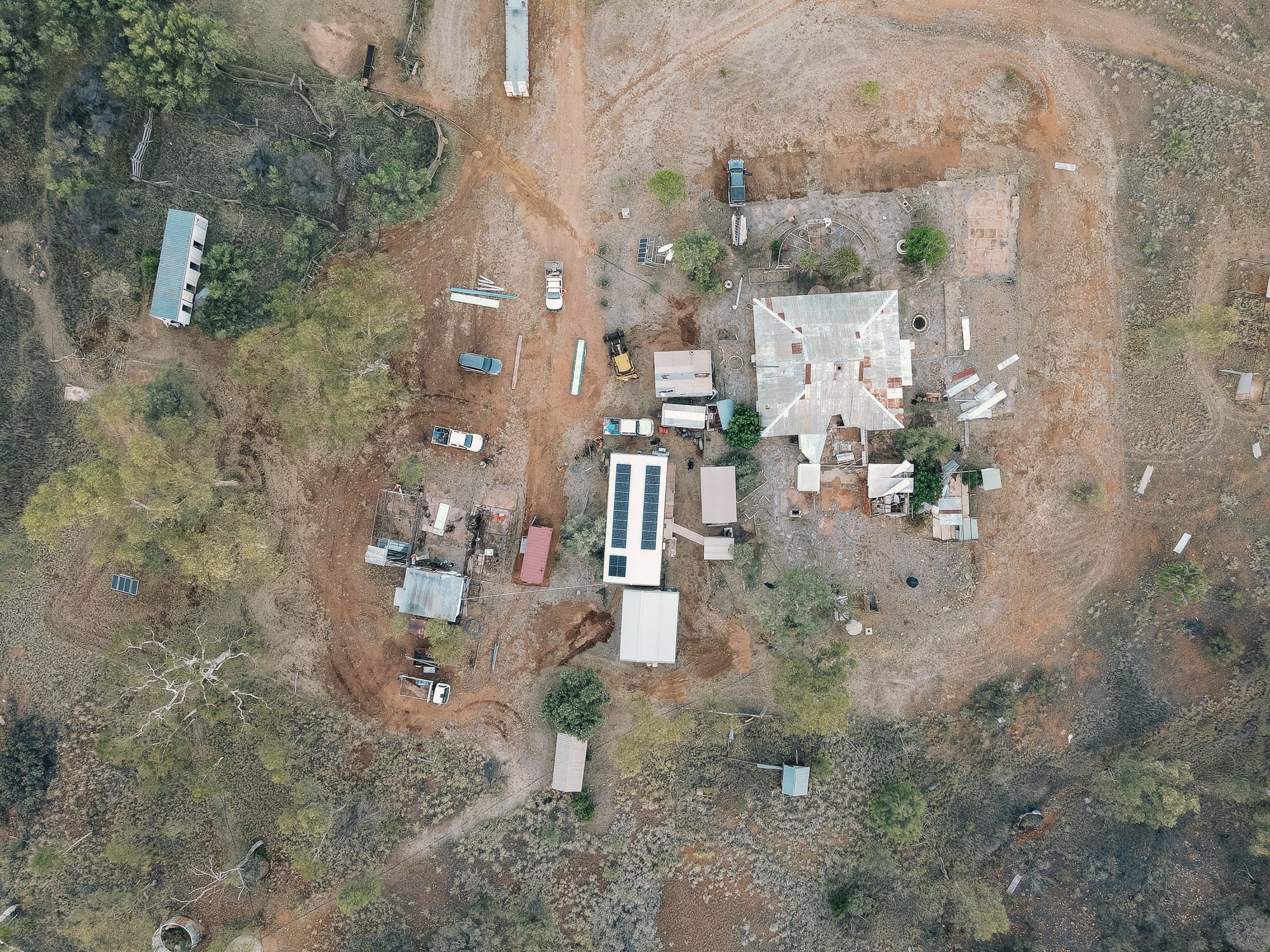
Oonchiumpa now works with 32 partner organisations across Central Australia. They want to run on-Country cultural camps at Atnarpa Homestead. They get kids back into school. 72 percent of disengaged youth have returned to education through their programs. They employ Aboriginal youth workers, cultural mentors, support staff. Every interaction reinforces identity and possibility.
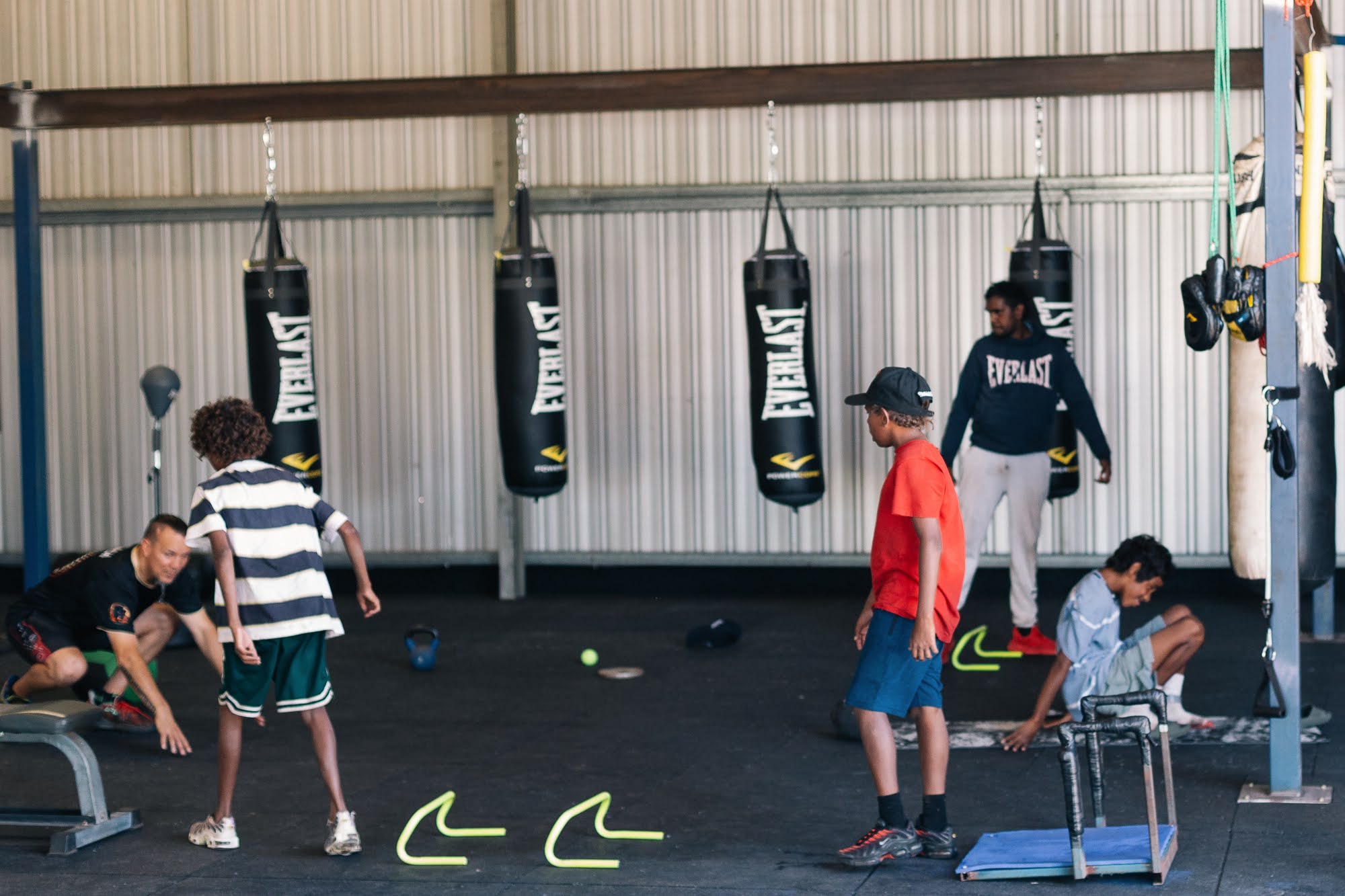
One young person who came through put it simply: "I think other kids should work with you mob; I think everyone should work with Oonchiumpa. I like working with you because you mob are good and help, it's good working with you mob."
This is not a pilot. Not a trial. This is a proven model already being studied by Flinders University and running ANU's True Justice program, the next generation of lawyers, magistrates and law makers. It is what happens when the right people lead the work.
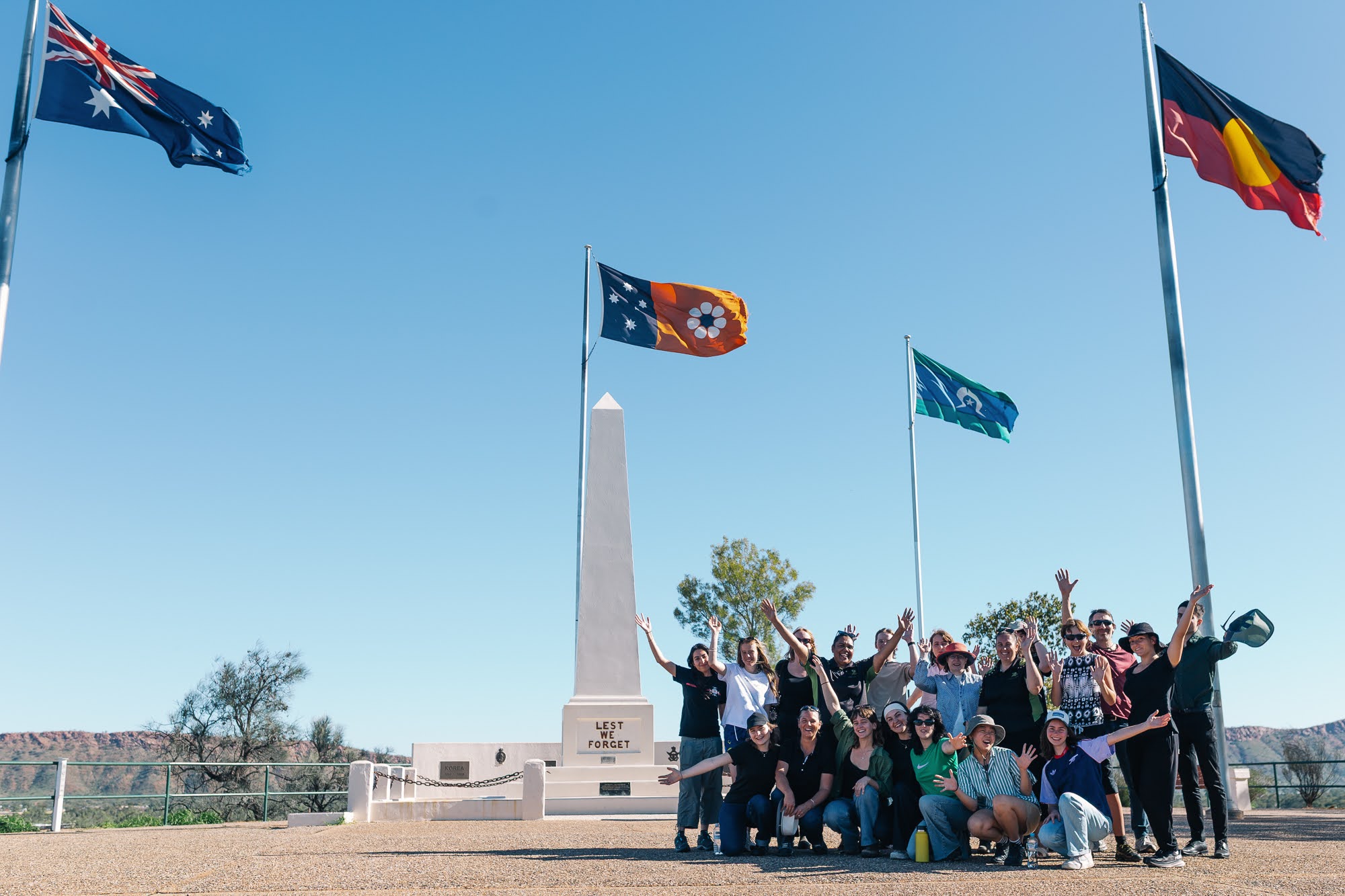
Oonchiumpa is not alone. The same pattern keeps showing up wherever you look, if you are willing to look.
On Palm Island, PICC (Palm Island Community Company) has 197 staff delivering services across North Queensland with a 78 percent diversion rate. Their philosophy is simple and old: culture is protection. When young people know who they are, where they come from, and who their family is, they make different choices. PICC does not try to fix young people. They surround them with the things that were taken away. Connection. Identity. Belonging. It works because it is not a program. It is community doing what community has always done when it is resourced and trusted to do it.
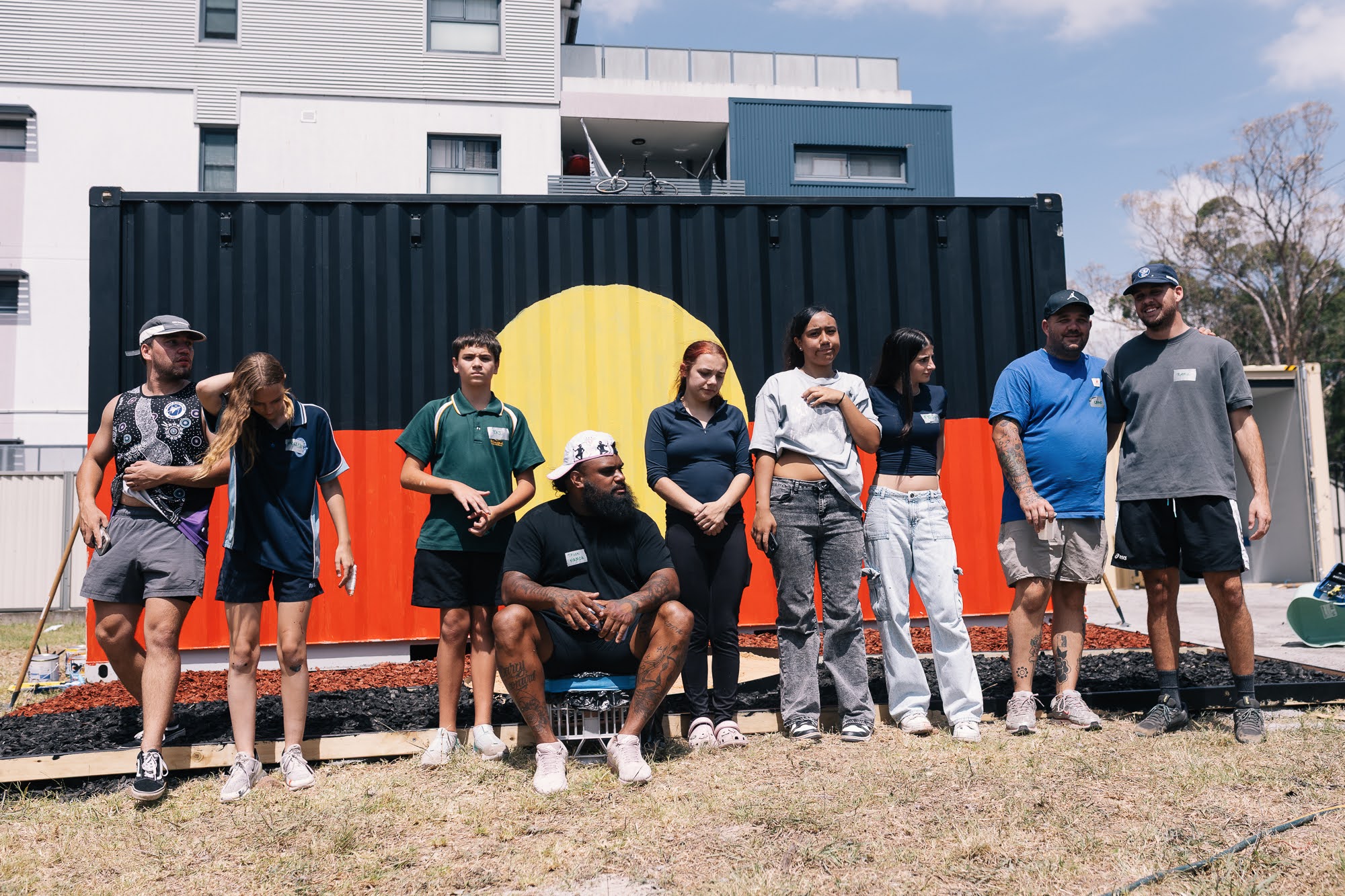
In Mount Druitt, Western Sydney, Mounty Yarns is doing something different again. Youth-led storytelling. Young people writing and publishing their own stories, running their own media, challenging the deficit narratives that follow suburbs like Mount Druitt everywhere. Thirty percent of participants are now pursuing media careers. They are not waiting for someone to give them a platform. They are building their own. Shayle and Leah run it with the kind of energy that makes you wonder why anyone thought young people were the problem in the first place.
Three communities. Three approaches. Alice Springs, Palm Island, Mount Druitt. Aboriginal-led cultural authority, community-driven family strength, youth-led storytelling. Same truth underneath all of it: when families and communities lead, young people respond.
The Numbers Behind the Anger
Australia spends more than a billion dollars a year locking up children. The Productivity Commission's latest Report on Government Services puts the average cost at $1.3 million per child per year. More than $3,600 a day.
For that money, we get an 85 percent return rate.
We get 860 young people in detention.
We get First Nations children comprising over 60 percent of the detained population despite being a fraction of the youth population.
Oonchiumpa runs its entire operation, cultural mentorship, on-Country camps, school re-engagement, justice navigation, family support, at 97.6 percent less cost than one child in detention. PICC achieves 78 percent diversion. Mounty Yarns turns young storytellers into media professionals. Goods. puts manufacturing tools in the hands of the communities who need them most.
The evidence is not hidden. It is not controversial. It is sitting right there, in community after community, waiting for the funding and political will to catch up.
JusticeHub tracks this. We have mapped more than 800 verified interventions, organisations, and programs across every state and territory. We track where public money goes, more than $1 billion in justice spending, line by line. We show the gap between what governments spend on detention and what they invest in what actually works.
All of it public. All of it sourced. All of it designed to make the case that communities already have the answers.
Now I Want to Talk About Beds
Yes, beds.
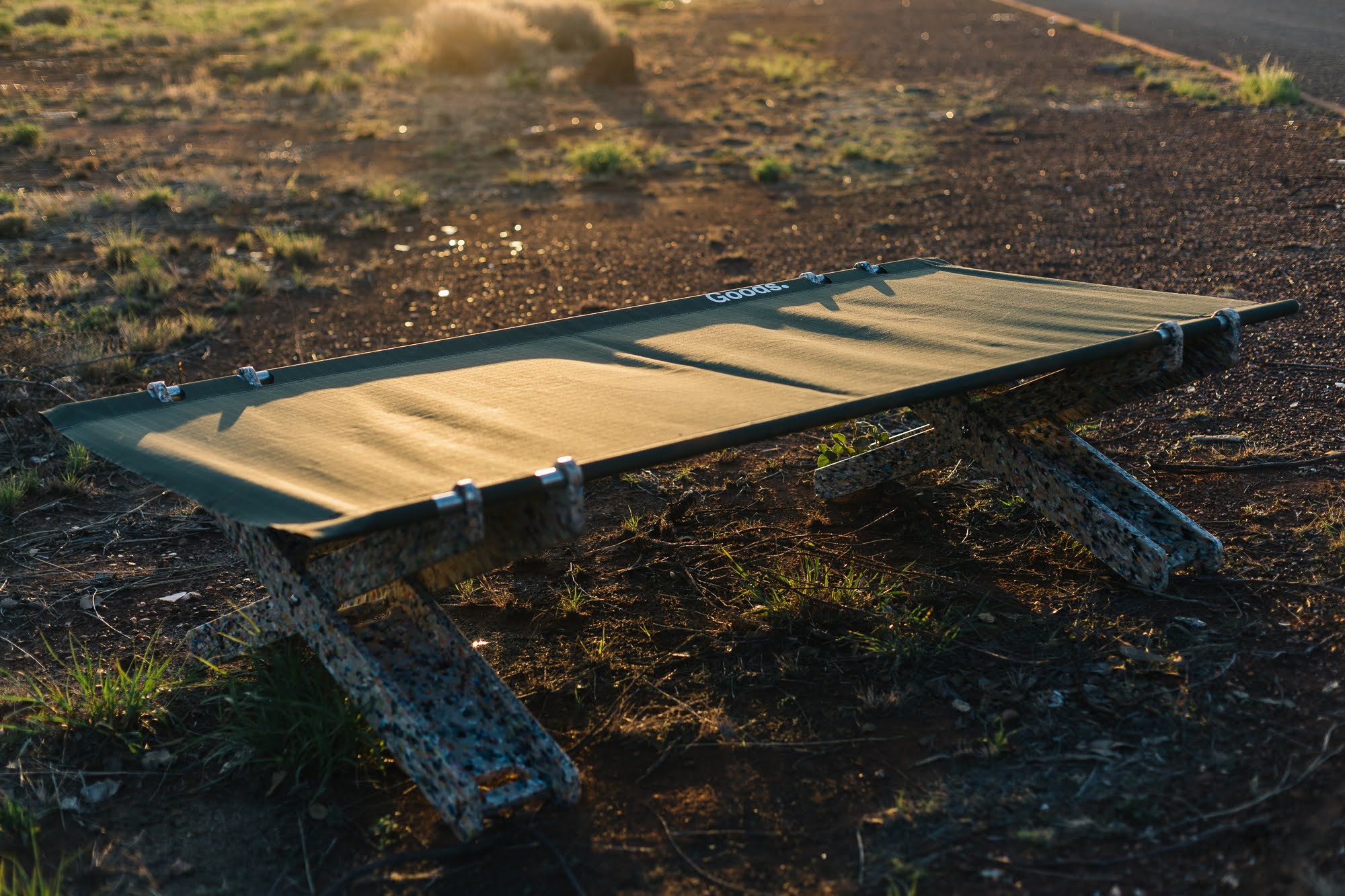
Goods. is led by my co-founder Nicholas Marchesi at A Curious Tractor. We work with remote Indigenous communities to design and manufacture essential goods, starting with a bed made from recycled plastic, galvanised steel, and heavy-duty Australian canvas. It flat-packs. It washes. It assembles in five minutes with no tools. Each one diverts 20 kilograms of plastic from landfill.
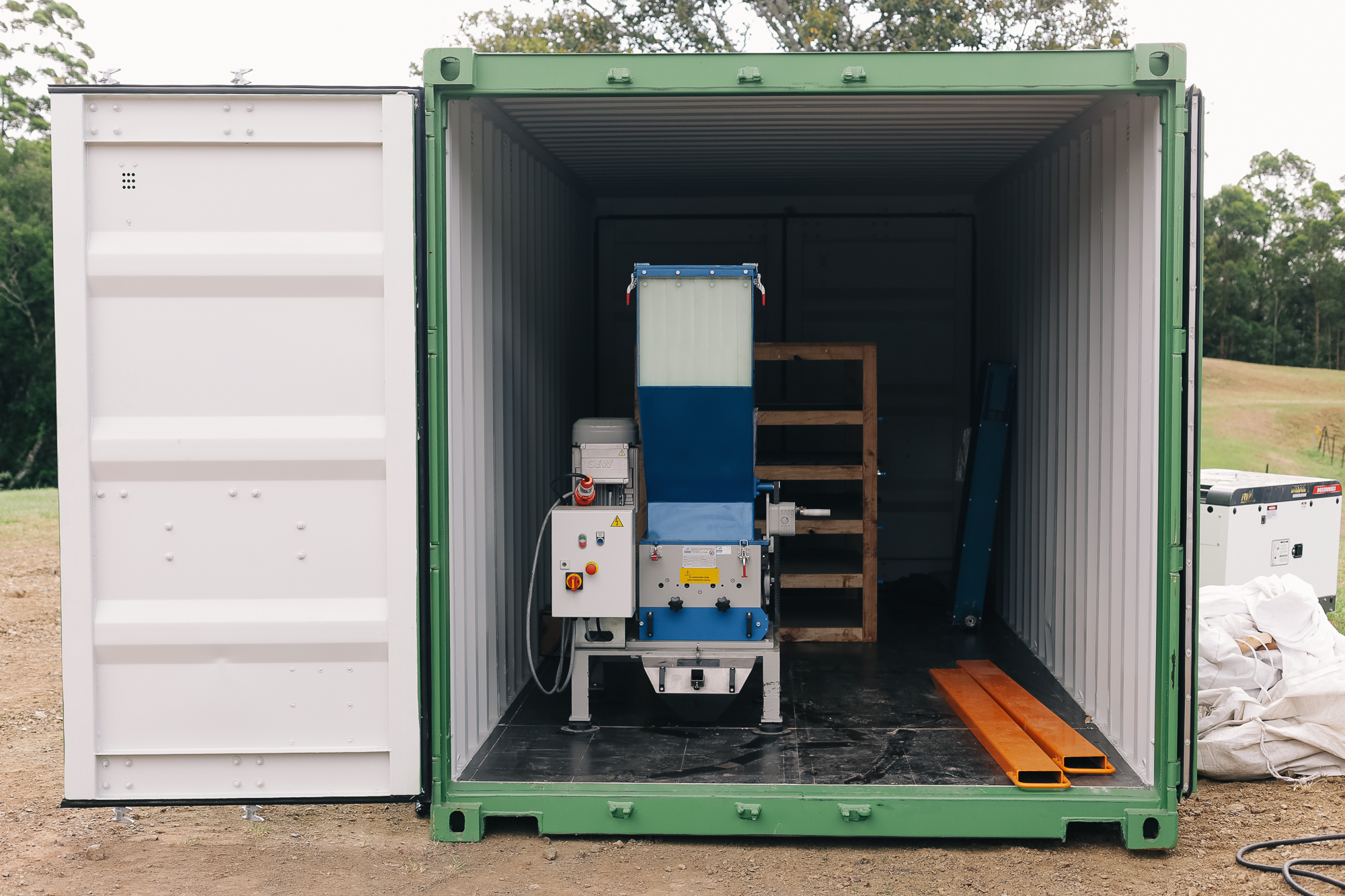
We have delivered more than 400 beds (from v.1 to the current v.3) across eight communities. We built a containerised production facility. Two shipping containers, one that shreds and collects plastic, one that presses sheets and cuts parts. About 30 beds a week.
Why does this belong in a youth justice article?
Because the pipeline is direct and it starts at the ground. Literally the ground.
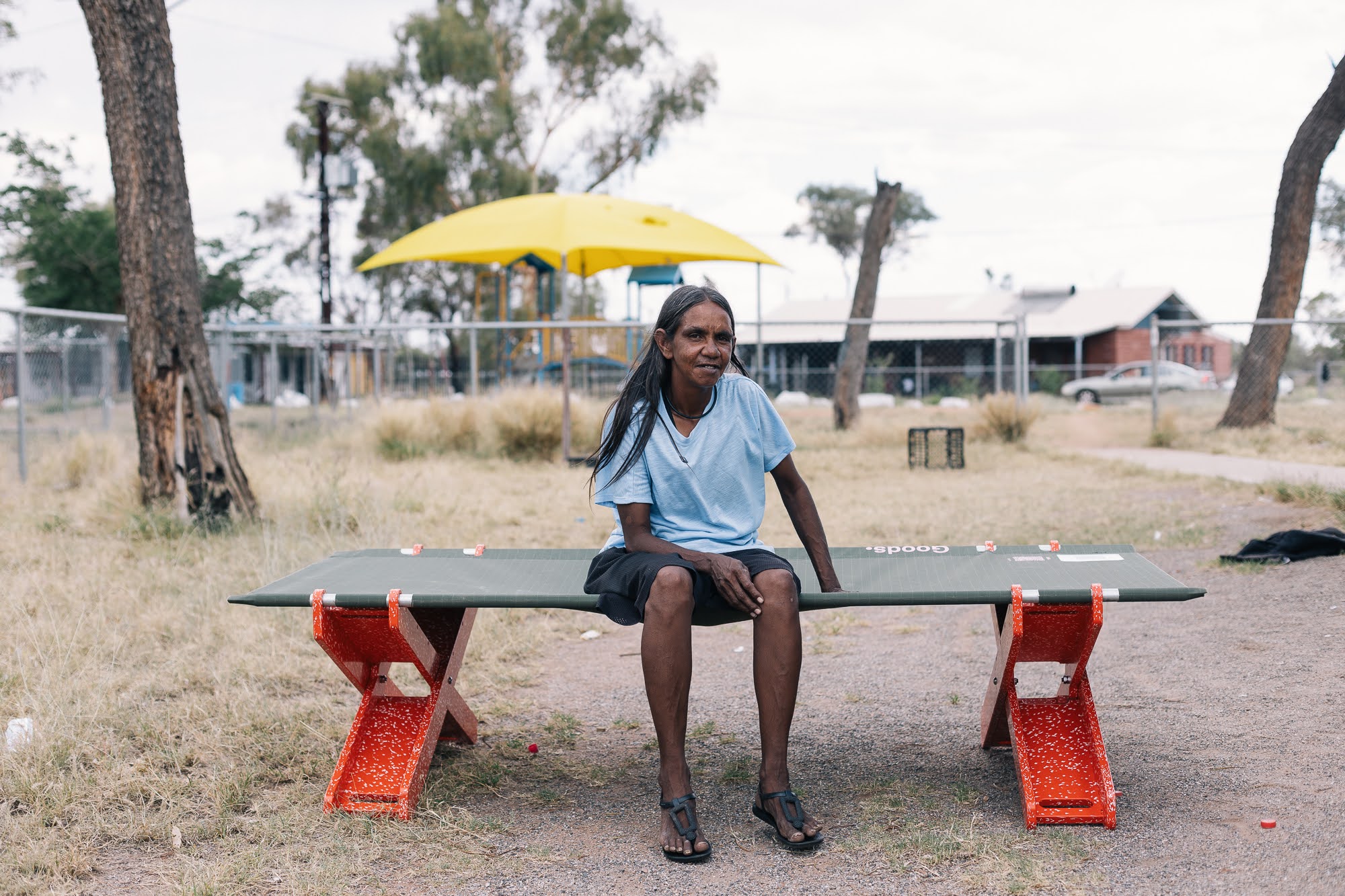
Ivy on Palm Island told us: "Hardly anyone around the community has beds. When family comes to visit, people sleep on the floor." Alfred Johnson, also on Palm Island, said: "Having a bed is something you need; you feel more safe when you sleep in a bed. It's different than sleeping on the couch or the ground."
One in three children in remote communities has scabies at any given time. Scabies leads to Rheumatic Heart Disease. Fifty-nine percent of remote homes lack washing machines. Kids who are sick do not go to school. Kids who do not go to school end up in the system. The connection between a bed and a courtroom is not theoretical. It is a line you can draw with your finger.
Linda Turner in Tennant Creek said something that has never left me: "We've never been asked at what sort of house we'd like to live in."
So we asked.
The cultural backbone of Goods. is Oonchiumpa. The same people. Kristy Bloomfield and Tanya Turner lead cultural consultation.
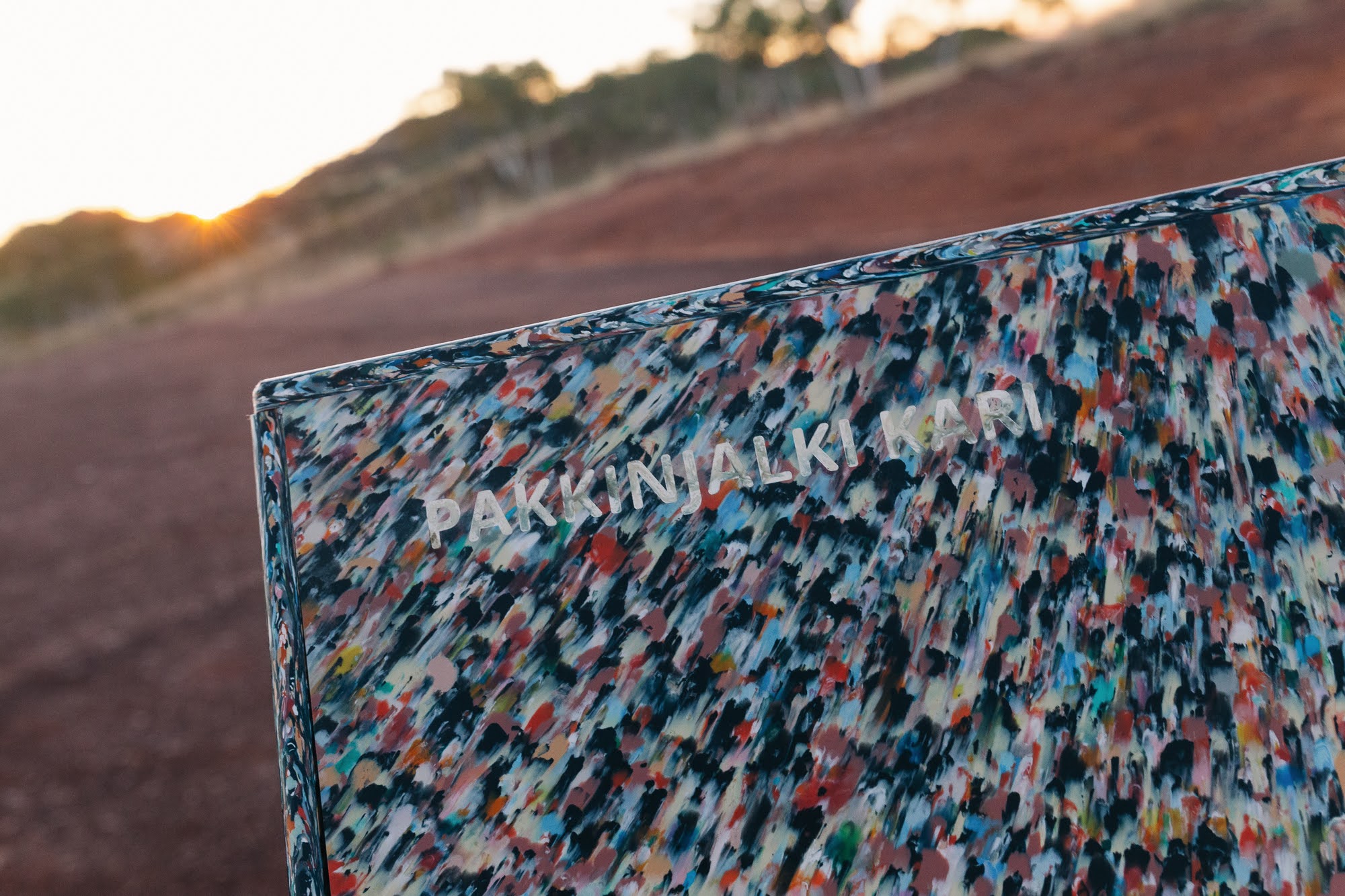
Elder Dianne Stokes co-designed and named the Pakkimjalki Kari washing machine in Warumungu language.
Norman Frank Jupurrurla, a Warumungu Elder and housing advocate, guides community engagement. Everything is designed around the fire, with the people who will use it.
The vision is not charity. It is enterprise. Community members collecting waste, making products, running the business. Young people learning to build things, not just receive them. Eb and Jahvan on Palm Island are training to lead on-Country production. The goal is to transfer capability and ownership, then step back.
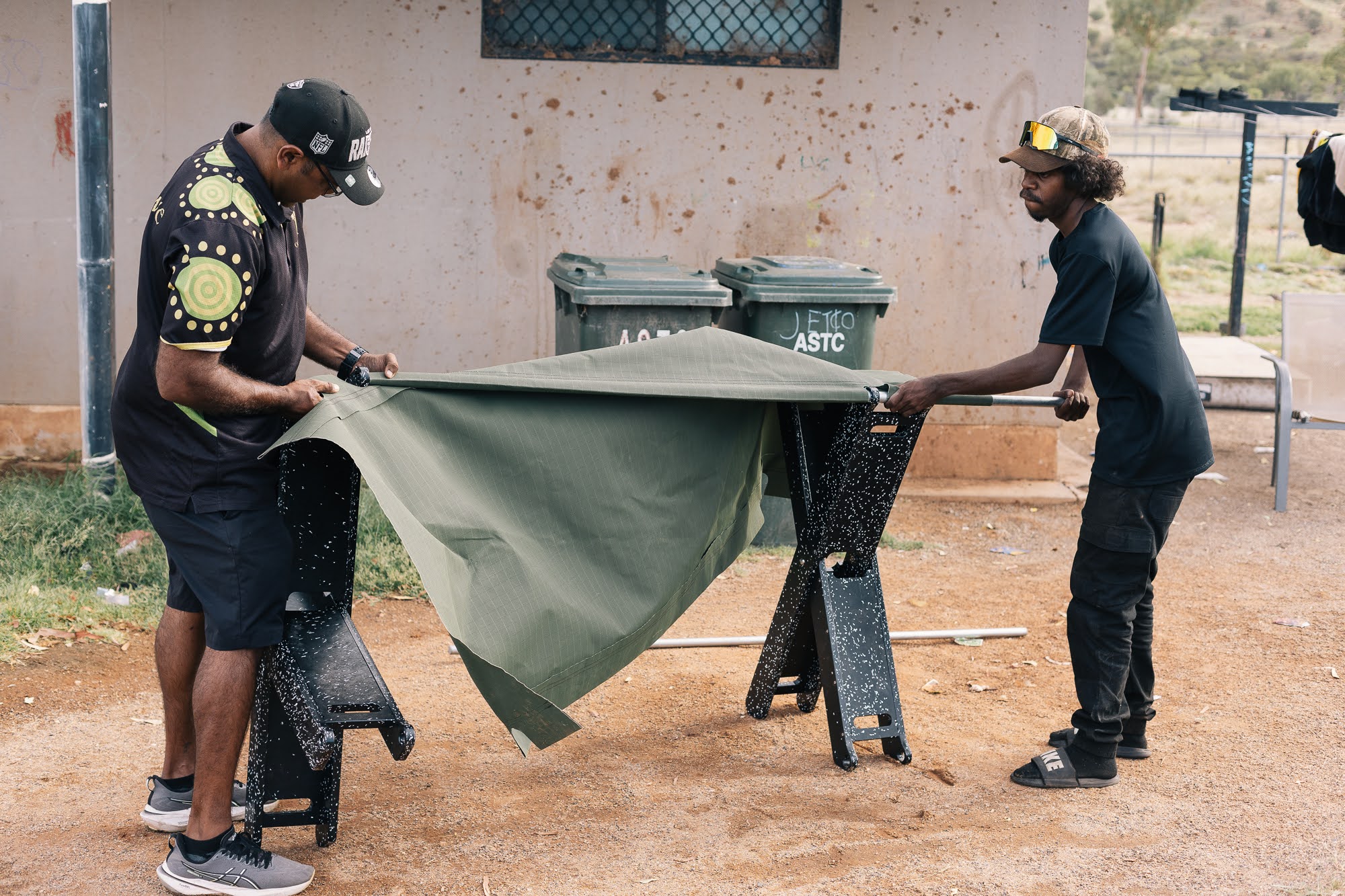
Fred Campbell, a youth case worker at Oonchiumpa, told us about a young man named Xavier who built a Stretch Bed for the first time: "He just was so proud showing them that he can build it. After that he felt so happy about himself... his energy was a lot more higher. He's quite capable of building that on his own and sharing that onto other kids."
That is one possible alternative.
Not a courtroom. A young person standing over something they made with their own hands. Proud. Wanting to teach others.
You can see this work at goodsoncountry.com.
What You Can Do Today
This is not an abstract conversation. Here is what is real and available right now:
Experience the container. CONTAINED launches April 20 and will tour nationally. Bring your colleagues, your family, your local MP. Thirty minutes changes the way you see this issue. justicehub.org.au/contained
Nominate a decision-maker. We are building a public list of politicians, justice officials, media leaders, and community figures who should experience CONTAINED. Name them. Make the case for why. Public pressure is the mechanism. justicehub.org.au/contained
Back the tour. It costs money to move a shipping container across Australia. We are asking for direct support to get CONTAINED to the communities where it matters most. justicehub.org.au/back-this
Connect with the organisations doing the work. If you run a program, add it to JusticeHub. If you fund programs, use JusticeHub to find what works. If you are a young person looking for support, find services near you. justicehub.org.au
Support Goods on Country. Every bed, every washing machine, every training placement is a step toward community-owned enterprise and away from the conditions that feed the justice system. goodsoncountry.com
The Point
I am not interested in another decade of reports. The evidence is in. The alternatives exist. The people leading them are extraordinary. What is missing is the thing that makes them visible. The thing that turns isolated programs into a funded, undeniable movement.
That is what JusticeHub is building. That is what CONTAINED is designed to accelerate.
One shipping container. Three rooms. Thirty minutes.
The cure already exists. It lives in communities like Alice Springs and Palm Island and Mount Druitt. It lives in Elders like Dianne Stokes naming a washing machine in language. It lives in Kristy Bloomfield getting a phone call at midnight because a kid needs somewhere to go, and going. It lives in young people on Palm Island learning to build beds from recycled plastic.
It is not waiting for permission.
It is happening.
The only question is whether the rest of us will catch up.