Spain Diagrama Trip Reflection
A personal reflection on visiting Diagrama youth detention centres in Spain — contrasting their compassionate, rehabilitation-focused approach with Australia's punitive system.
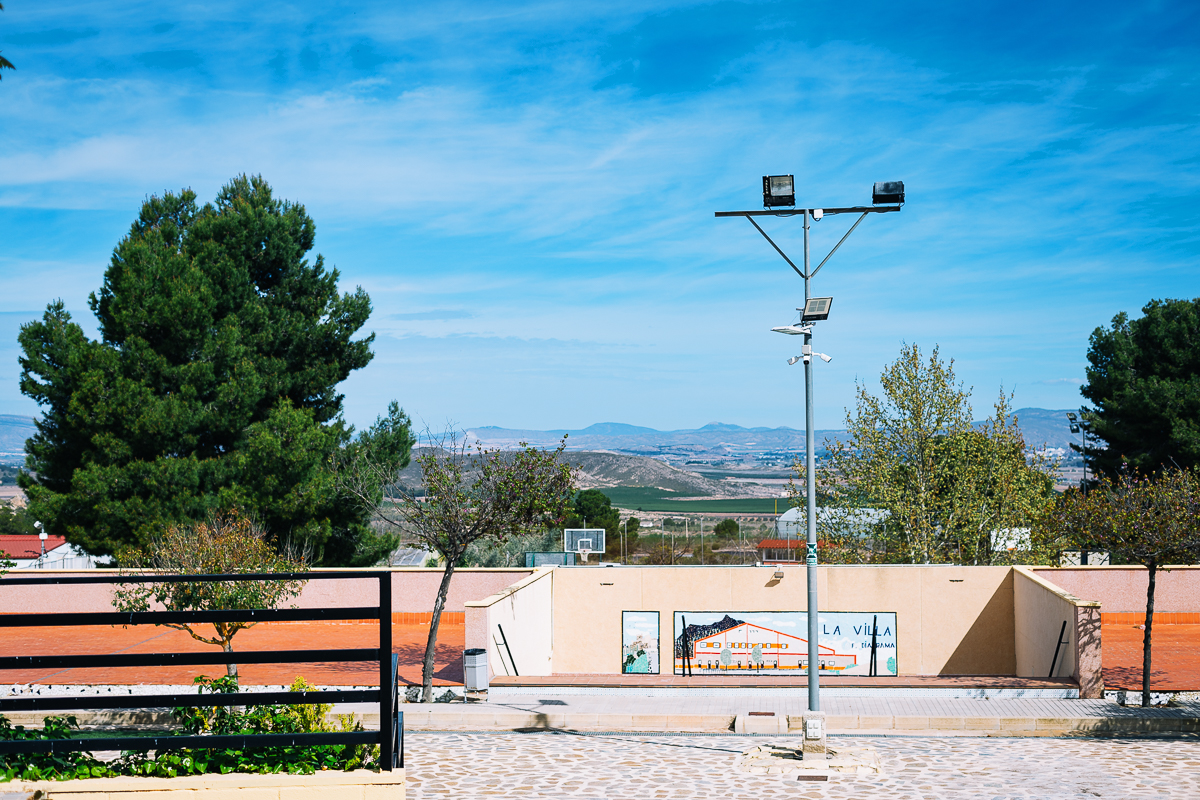
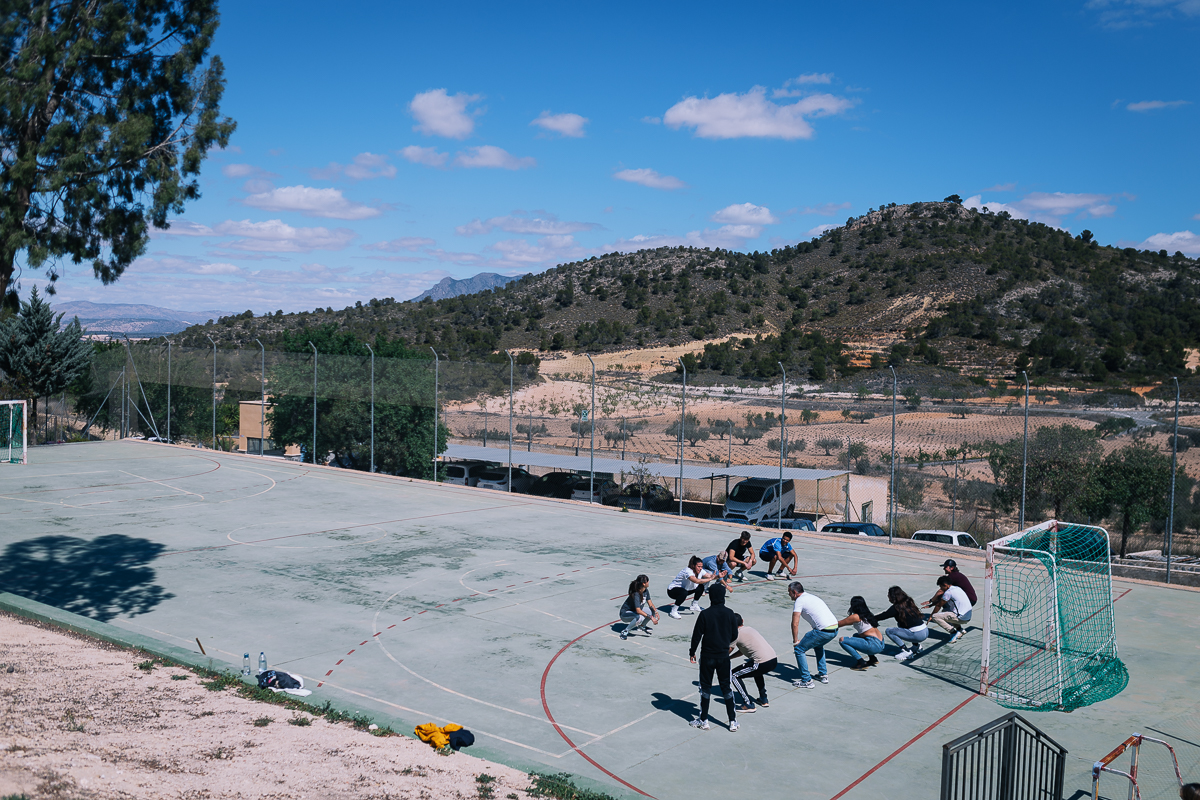
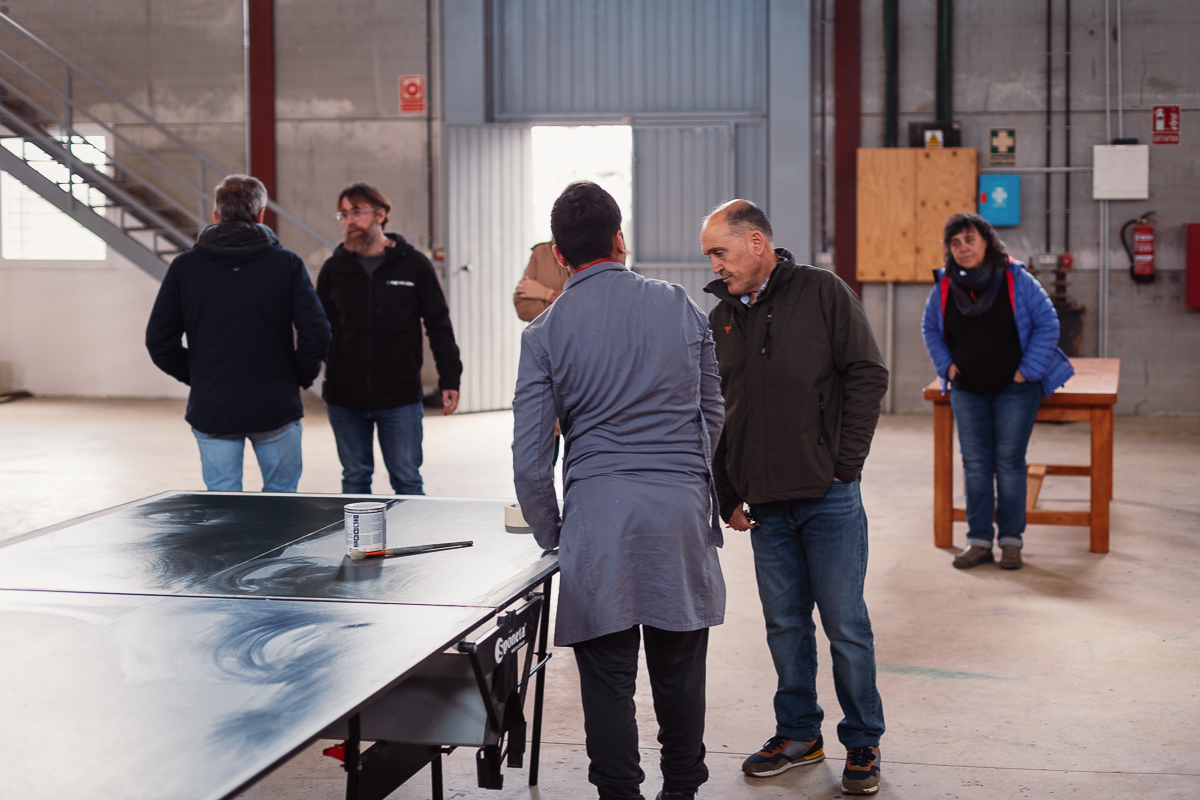
Benjamin Knight visiting a Diagrama youth detention centre in Spain
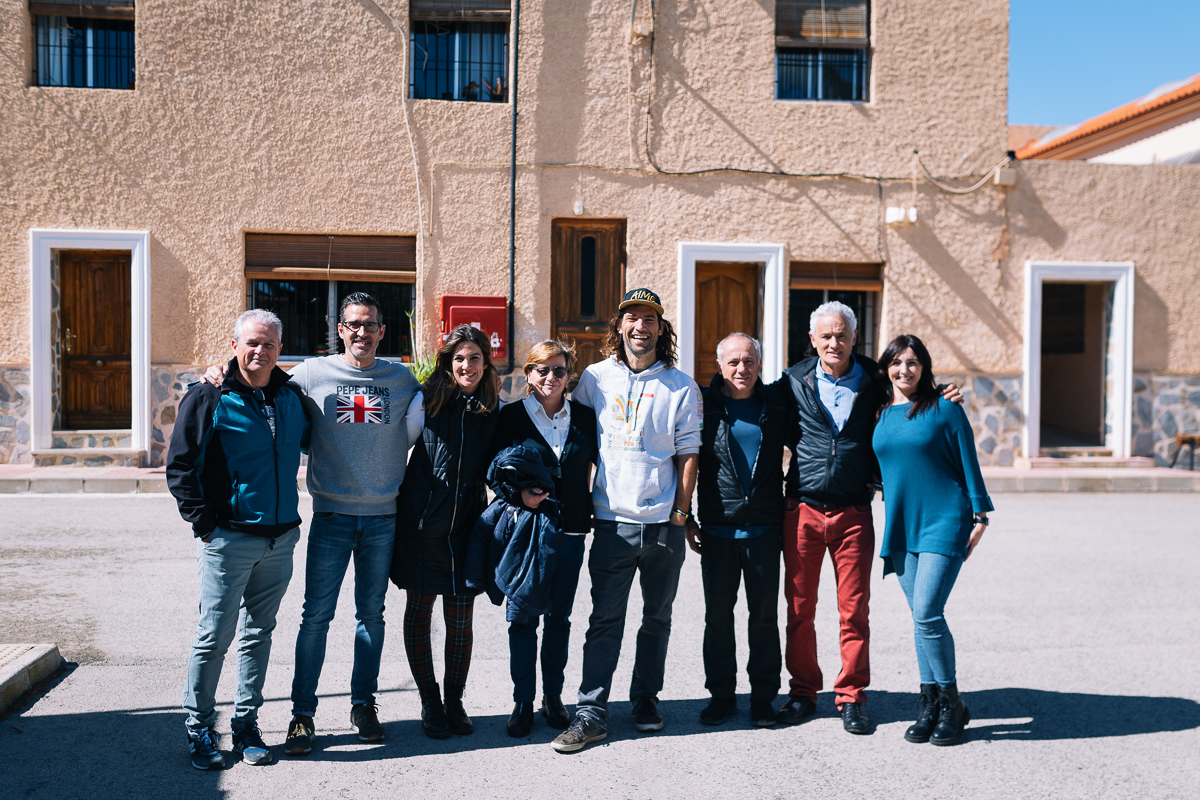
As I reflect on my 5-day experience visiting the Diagrama youth detention centers in Spain, guided by David, the CEO of Diagrama, I am filled with a mixture of emotions and a strong sense of conviction. The stark contrast between what I witnessed in these centers and what I have experienced in Australian youth detention centers is both eye-opening and deeply troubling.
In Australia, every visit to a youth detention center leaves me feeling depleted and haunted by the experiences of the young people there. The oppressive atmosphere, the lack of compassion and engagement between guards, educators, and young people, and the overall punitive approach all contribute to a sense of hopelessness and despair. It's clear that the current system, built on an English legacy and influenced by the US model of punishment over support and understanding, is failing our young people and our society as a whole.
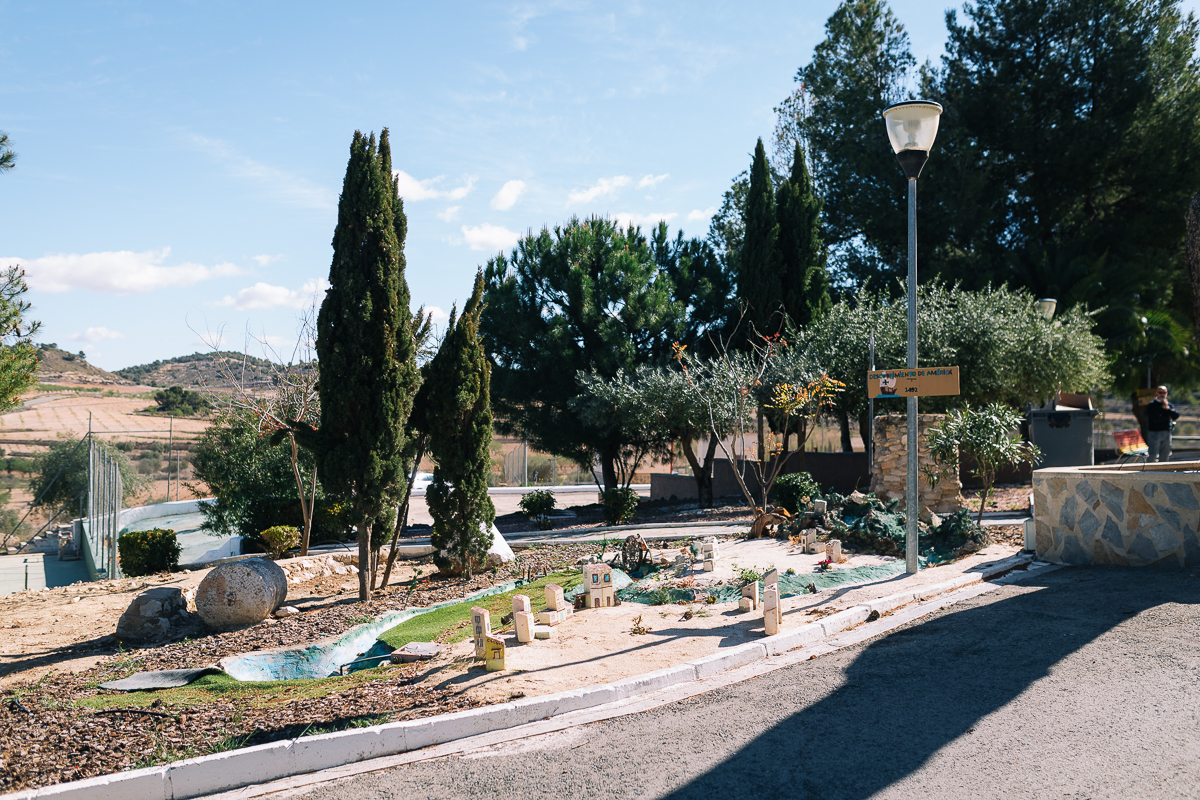
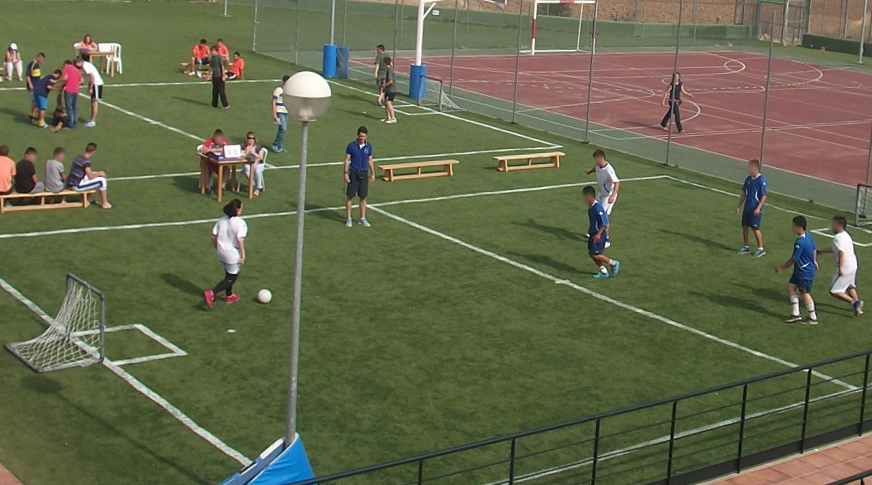
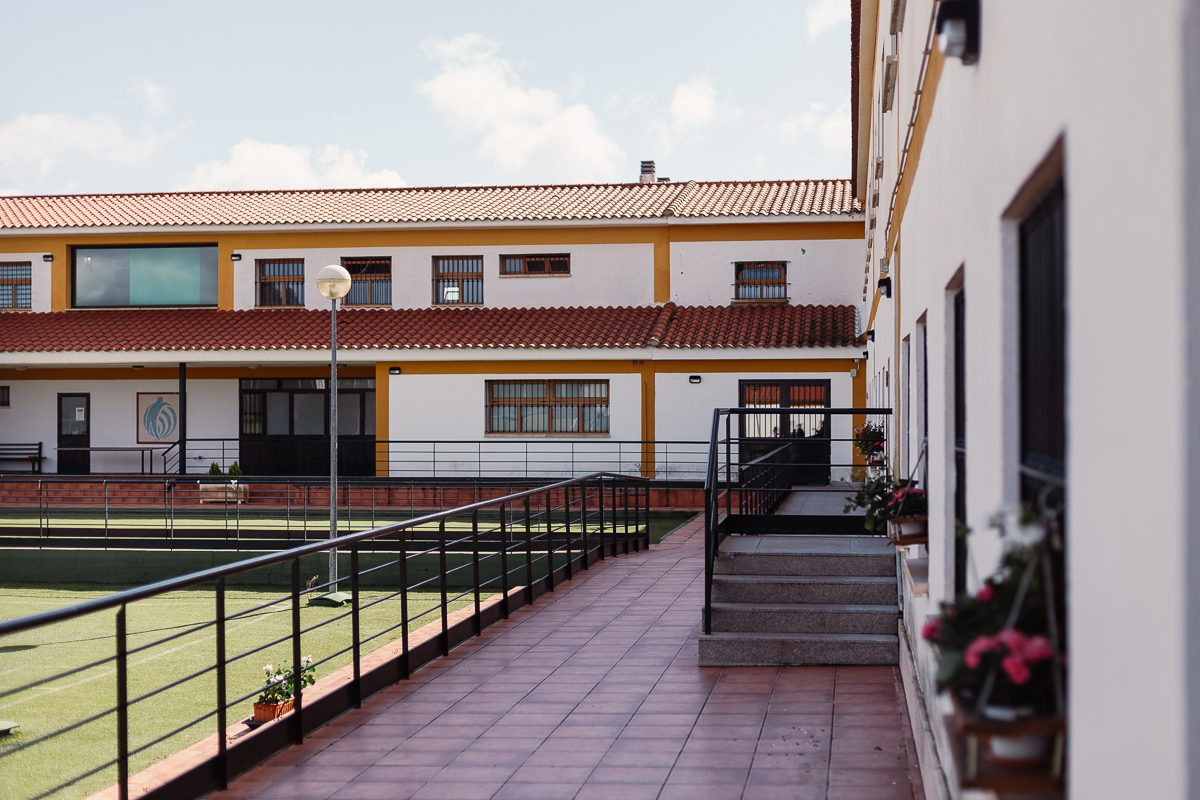
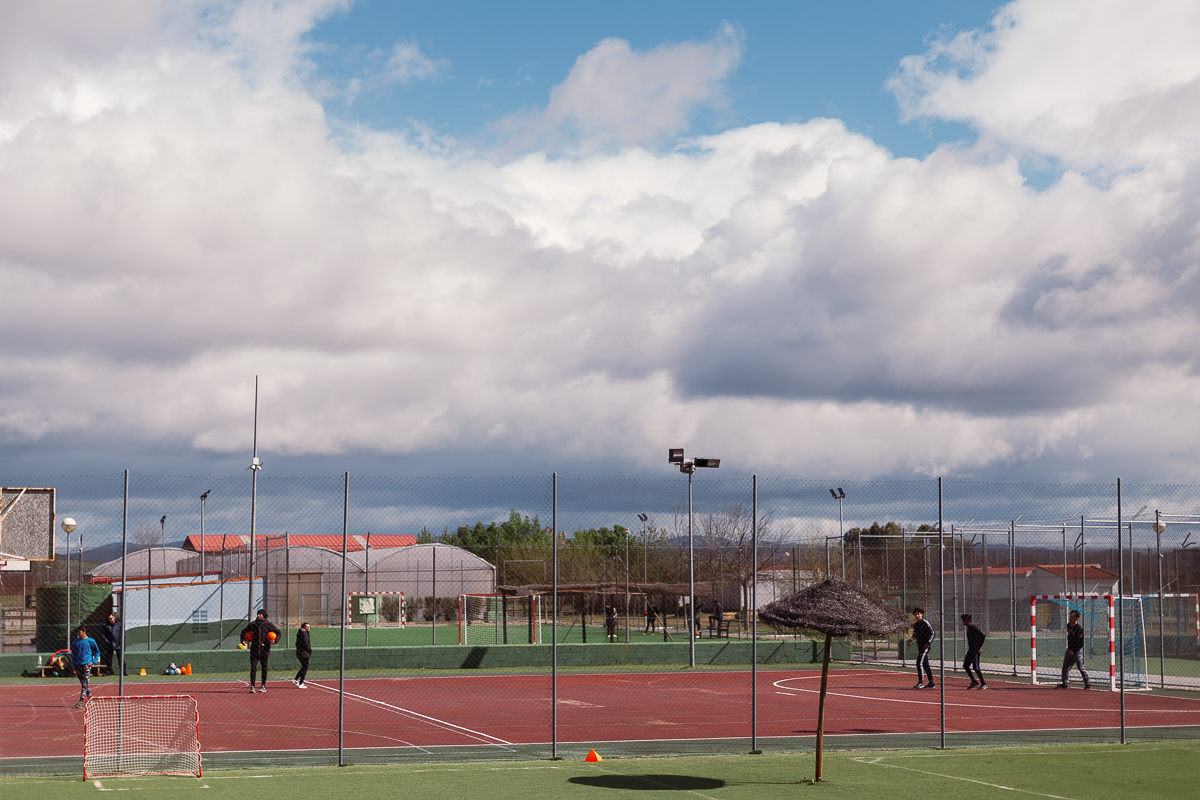
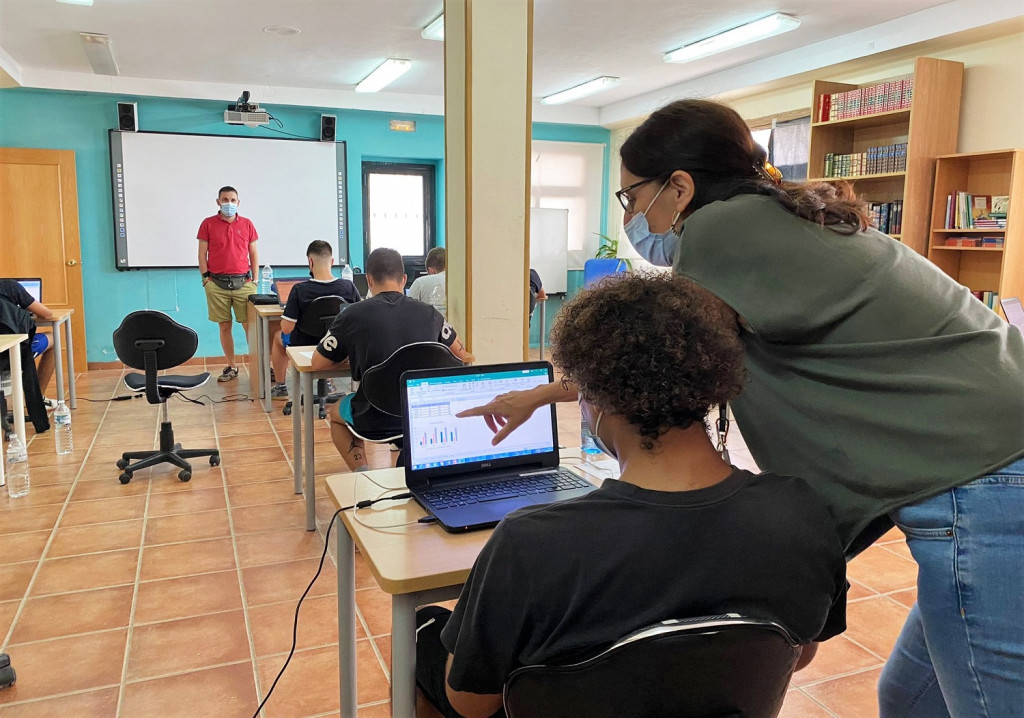
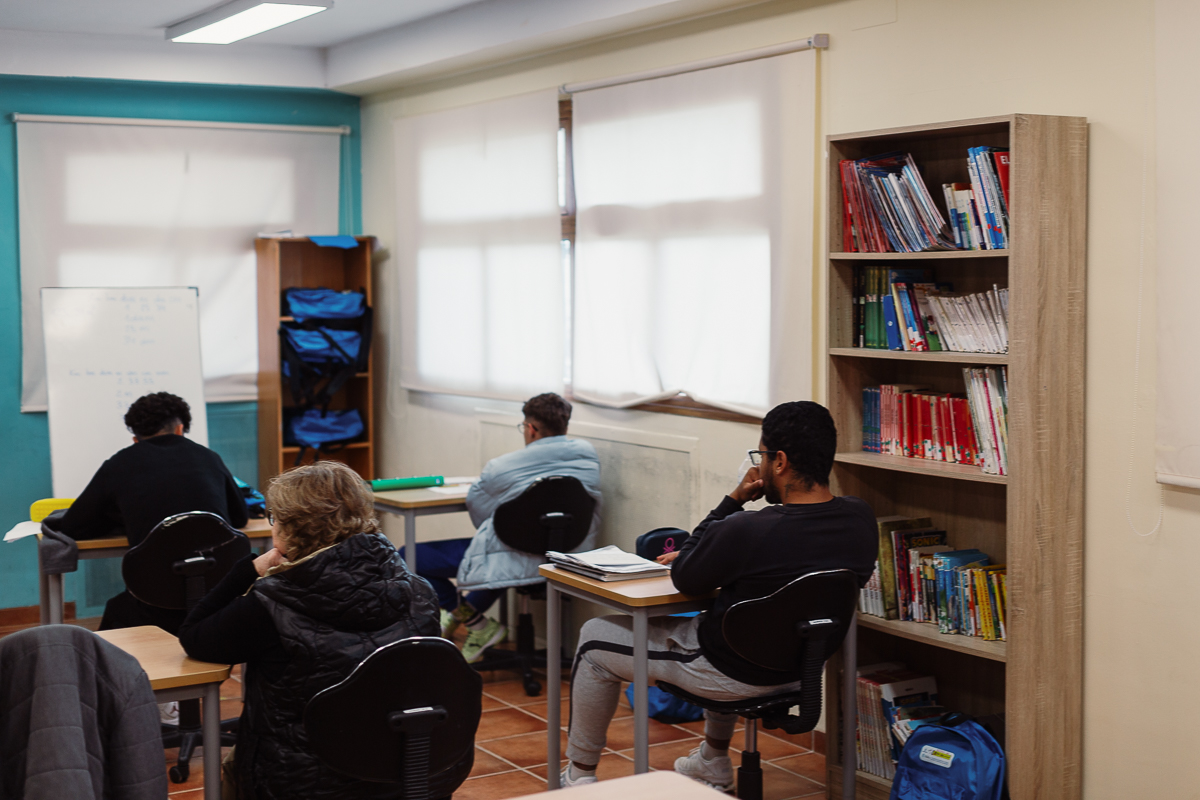
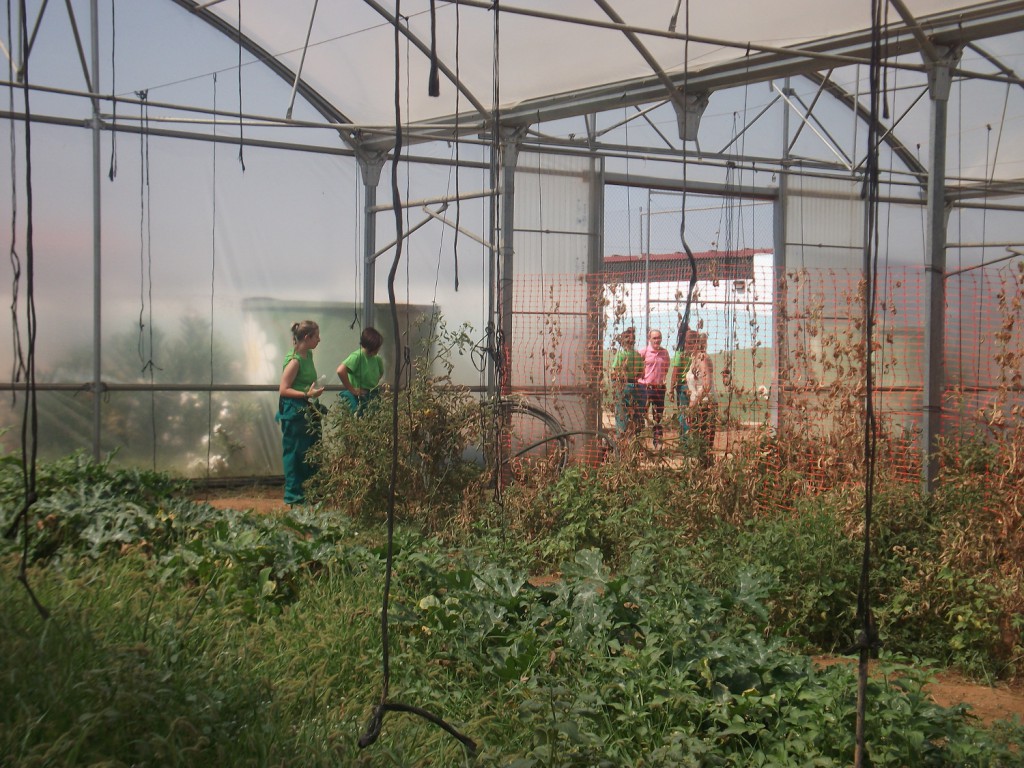
However, my experience in Spain has shown me that there is another way. From the moment I stepped into each Diagrama center, I was struck by the positive energy, the laughter, and the strong relationships between the young people and their educators. It was evident that the young people were not just being punished, but were being given the opportunity to build resilience, develop new skills, and work towards a brighter future. The Diagrama staff had high expectations for these young people and treated them with respect, compassion, and a genuine belief in their potential.
One of the most powerful moments of my visit was sitting down and talking with the young people themselves. As we discussed the conditions in Australian youth detention centers, they struggled to understand how such a punitive and dehumanizing approach could be considered acceptable or effective. They spoke about their own hopes and dreams, and the trust they had in their educators to support them on their journey. It was clear that they viewed their time in detention not as a punishment, but as an opportunity for growth and transformation.
The interviews and analysis of the Diagrama model only reinforce my belief that this approach can and must be implemented in Australia. The quantitative data, such as the significantly lower recidivism rates in Diagrama centers compared to Australian youth detention centers, provide compelling evidence of the model's effectiveness. The stories and experiences shared by the young people, educators, and staff offer powerful examples of how this approach can transform lives and communities.
See It For Yourself
The BBC visited Diagrama's custodial centres in Spain and filmed what rehabilitation-first youth justice actually looks like in practice:
Watch: BBC visits Diagrama's custodial centres in Spain
7NEWS Spotlight investigated Australia's youth crime crisis — and found the silver bullet might already exist in Spain:
The Numbers That Should Change Everything
The data makes the case undeniable. Australia spends $1.1 million per child, per year to lock young people up — and achieves an 84.5% reoffending rate. Diagrama spends roughly A$31,000 per young person per year and achieves a 13.6% reoffending rate. That's not a marginal improvement. That's a completely different paradigm.
| Australia | Diagrama (Spain) | |
|---|---|---|
| Cost per child/year | $1,100,000 | ~$31,000 |
| Reoffending rate | 84.5% | 13.6% |
| Staff ratio | Guards | 1:1 mentors |
| Program completion | — | 98% |
| Youth suicides in custody | Ongoing | Zero |
| Social return on investment | — | €5.64 per €1 |
Every euro invested in the Diagrama model returns €5.64 in social value. Every young person completes their program. No young person has died by suicide in a Diagrama facility. These aren't aspirational targets — they're 35 years of proven results.
Why CONTAINED Has a Diagrama Room
This trip is the reason Room 2 of the CONTAINED experience is dedicated entirely to Diagrama. The room asks one question: "What if we spent $1.55 million per child on healing instead of harm?"
Spain already answered that question. They've been answering it for 35 years. The Diagrama Foundation, founded in 1991, has operated youth re-education centres across Spain using a model built on one radical premise: that young people in conflict with the law are still young people first. They need mentors, not guards. Education, not isolation. Belief in their future, not punishment for their past.
When visitors walk through Room 2 of CONTAINED, they experience the contrast physically — the cold concrete of Australian detention on one side, and the warmth of a Diagrama centre on the other. Photos from this very trip line the walls. The data is projected overhead. The question hangs in the air: why aren't we doing this?
The Opportunity for Australia
This isn't theoretical. The pathway already exists.
In 2020, Danila Dilba Health Service — one of the Northern Territory's leading Aboriginal community-controlled health organisations — partnered with Diagrama to produce the Blueprint for Change NT, an adaptation report specifically designed for the Australian context. The report maps how the Diagrama model could be adapted to work within Indigenous communities, respecting cultural authority while drawing on 35 years of proven methodology.
Diagrama Australia already exists as an entity (diagramaaustralia.org). The International Juvenile Justice Observatory (IJJO), which Diagrama founded in Brussels in 2002, provides the research and policy framework. The pieces are all there.
What's missing is political will and public pressure. That's exactly what CONTAINED is designed to create.
What Needs to Happen Next
The conversation between Diagrama and Australia needs to move from inspiration to implementation. Here's what that looks like:
- A formal delegation — Australian state and territory youth justice ministers need to see Diagrama centres firsthand, as I did. Not a briefing paper. Not a webinar. Walk the halls. Talk to the young people. Feel the difference.
- The Blueprint for Change — the NT adaptation report needs to be picked up, funded, and expanded to other jurisdictions. Queensland and Western Australia, where Indigenous young people are most overrepresented, should be next.
- Pilot programs — start with one community-controlled facility operating on Diagrama principles. Measure everything. Let the data speak.
- Connect with David McGuire at Diagrama Foundation UK, who bridges the Spanish model with English-speaking contexts and can facilitate introductions to the senior leadership team in Spain.

The CONTAINED Connection — And How You Can Help
Room 2 of CONTAINED is modelled entirely on the Diagrama approach — not as a tribute, but as a provocation. When you walk through that shipping container, you experience the contrast physically: Australian detention on one side, a Diagrama centre on the other. The photos on those walls are from this very trip. The data overhead is real. The question it asks — "What if we spent this money on healing instead of harm?" — now has a 35-year answer.
And the opportunity is closer than ever. David McGuire, CEO of Diagrama Foundation UK, has expressed interest in visiting Australia and meeting with communities, organisations, and decision-makers who want to explore bringing the model here. The next concrete step is getting CONTAINED to the Reintegration Conference in Adelaide — a national gathering of the exact people who need to see what we saw in Spain.
But we can't do this alone. Here's where you come in:
What We Need Right Now
Connections to Organisations
If you work with or know youth justice organisations, Aboriginal community-controlled organisations, legal services, or community groups — introduce us. Every connection strengthens the case for bringing the Diagrama model to Australia.
Links to Young People
The voices of young people with lived experience of the justice system are the most powerful evidence we have. If you can connect us with young people who want to share their stories — safely and on their terms — that changes everything.
Funding & Sponsorship
Getting CONTAINED to the Adelaide Reintegration Conference requires transport, setup, and logistics funding. Sponsoring David McGuire's visit to Australia would create a direct bridge between the Spanish model and Australian communities ready to adopt it. Every dollar moves us closer.
Spread the Word
Share this article. Share the BBC documentary. Talk about the numbers. The more people who understand that a proven alternative exists — that costs less and works better — the harder it becomes for governments to keep doing what they're doing.
Ready to help? Get involved with CONTAINED → or reach out directly at benjamin@act.place
A Future Worth Fighting For
Implementing the Diagrama model in Australia will undoubtedly require a significant shift in mindset, policy, and practice. It will require us to confront and challenge the deeply ingrained beliefs and systems that have perpetuated the current harmful approach to youth justice. However, the potential benefits are too great to ignore. By embracing a model that prioritizes education, rehabilitation, and positive relationships, we can create a youth justice system that not only reduces recidivism and enhances community safety but also helps young people to heal, grow, and thrive.
As I reflect on my experience in Spain, I am filled with a sense of hope and determination. I know that change is possible, and that the Diagrama model offers a roadmap for how we can achieve it. By sharing my experiences and the insights gained from this visit, I hope to inspire others to join me in advocating for a more compassionate, effective, and just approach to youth justice in Australia.
We owe it to our young people, our communities, and our society as a whole to do better. The time for change is now, and the Diagrama model shows us that a brighter, more hopeful future is within reach. Together, we can create a youth justice system that reflects our values, honours the potential of every young person, and helps to build a stronger, more resilient, and more equitable society for all.
Resources & Further Reading
- Blueprint for Change — Adapting the Spanish Youth Justice System to the Northern Territory (Danila Dilba + Diagrama, 2020)
- Fundación Diagrama — Official website (Spain)
- Diagrama Australia — The Australian entity working to bring the model here
- International Juvenile Justice Observatory (IJJO) — Founded by Diagrama in Brussels, 2002
- Academic study — Comparative study of English custodial vs Spanish re-educational centres (D. Romero McGuire, 2018)
- Churchill Fellowship Report — Kate Bjur's visit to Diagrama Spain